Gas Appliance Leaking Gas - Emergency Gas Leak Repair Toronto
Gas leaks from appliances represent one of the most serious home safety emergencies, requiring immediate attention and professional intervention. From small connection leaks to major appliance failures, gas leaks pose risks of fire, explosion, and health hazards. This comprehensive guide covers gas leak identification, emergency procedures, professional detection methods, repair solutions, and prevention strategies for Toronto homeowners dealing with gas appliance safety concerns.
Quick Answer: Gas appliance leaking gas? Emergency gas leak detection and repair in Toronto. Professional gas leak repair services from JK Appliances for immediate safety and peace of mind.
Understanding Gas Leaks
TYPES OF GAS LEAKS
Natural Gas vs. Propane Leaks
Natural gas characteristics:
- Lighter than air: Rises and disperses upward
- Distinctive odor: Added mercaptan for detection
- Colorless and odorless: Naturally without smell
- Highly flammable: Ignites easily with spark or flame
- Non-toxic: Not poisonous but displaces oxygen
Propane gas characteristics:
- Heavier than air: Settles in low areas and basements
- Strong odor: Added odorant for safety detection
- Highly pressurized: Stored under pressure in tanks
- Extremely flammable: Lower ignition temperature than natural gas
- Asphyxiant: Can displace oxygen in enclosed spaces
Leak Severity Classifications
Minor leaks:
- Small connection leaks at fittings
- Slow seepage from aging components
- Detectable by smell but not immediate danger
- Require prompt but not emergency repair
- Can often be temporarily isolated
Major leaks:
- Large volume gas escape
- Immediate fire and explosion hazard
- Strong gas odor throughout area
- Require immediate evacuation and emergency response
- Cannot be safely isolated by homeowners
Critical leaks:
- Underground or structural gas line breaks
- Appliance ruptures or major component failures
- Gas accumulation in enclosed spaces
- Immediate life-threatening situations
- Require utility company and emergency services
GAS LEAK SOURCES
Appliance Connection Points
Common leak locations:
- Gas supply connections: Threaded fittings and unions
- Flexible gas connectors: Corrugated stainless steel tubing
- Shut-off valves: Manual gas control valves
- Appliance inlets: Gas entry points to appliances
- Pipe joints: Threaded and welded connections
Internal Appliance Leaks
Appliance component failures:
- Gas valves: Internal valve seat and seal failures
- Control systems: Electronic valve and solenoid leaks
- Heat exchangers: Cracks allowing gas escape
- Burner assemblies: Loose or damaged gas manifolds
- Pilot assemblies: Pilot gas line and control leaks
Gas Line and Infrastructure
System-wide leak sources:
- Underground gas lines: Corrosion and ground movement damage
- Meter connections: Utility meter and regulator leaks
- Main gas lines: Street and service line problems
- Regulator failures: Pressure control device problems
- Aging infrastructure: Old pipe and fitting deterioration
HEALTH AND SAFETY RISKS
Immediate Physical Dangers
Fire and explosion risks:
- Ignition sources: Any spark, flame, or heat source
- Explosive concentrations: 5-15% gas in air mixture
- Flash fires: Rapid flame spread and intense heat
- Structural damage: Building damage from explosions
- Personal injury: Burns, trauma, and fatalities
Health Effects of Gas Exposure
Short-term exposure symptoms:
- Headaches: Mild to severe head pain
- Dizziness: Balance and coordination problems
- Nausea: Stomach upset and vomiting
- Fatigue: Unusual tiredness and weakness
- Respiratory irritation: Throat and lung irritation
Long-term exposure concerns:
- Oxygen displacement: Reduced oxygen in breathing air
- Neurological effects: Potential brain and nervous system impact
- Respiratory problems: Chronic breathing difficulties
- Cardiovascular stress: Heart and circulation effects
- Chronic health issues: Long-term health complications
Environmental and Property Risks
Secondary damage concerns:
- Vegetation damage: Gas killing plants and grass
- Soil contamination: Underground gas accumulation
- Property damage: Structural and cosmetic damage
- Utility service disruption: Gas service interruption
- Insurance implications: Coverage and liability issues
Gas Leak Detection
RECOGNIZING GAS LEAKS
Smell Detection
Odorant characteristics:
- Rotten egg smell: Distinctive sulfur-like odor
- Mercaptan additive: Chemical added for safety detection
- Concentration awareness: Stronger smell indicates larger leaks
- Nose fatigue: Smell sensitivity can decrease over time
- Individual sensitivity: People detect odors differently
Visual Indicators
Visible signs of gas leaks:
- Dead vegetation: Plants and grass dying near gas lines
- Dust clouds: Soil or debris blown by escaping gas
- Bubbles in water: Gas bubbling through standing water
- Hissing sounds: Audible gas escape from high-pressure leaks
- White clouds: Visible gas vapor in cold weather
Physical Symptoms
Body reactions to gas exposure:
- Immediate symptoms: Headache, dizziness, nausea
- Breathing difficulties: Shortness of breath or irritation
- Eye irritation: Burning or watering eyes
- Skin reactions: Irritation from direct gas contact
- Fatigue: Unusual tiredness in gas-exposed areas
PROFESSIONAL DETECTION METHODS
Electronic Gas Detection
Advanced detection equipment:
- Combustible gas detectors: Electronic sensors for gas concentration
- Infrared gas imaging: Thermal imaging for gas visualization
- Ultrasonic detectors: Sound-based leak detection
- Photoionization detectors: Chemical analysis of gas presence
- Multi-gas monitors: Detection of various gas types
Pressure Testing
System integrity verification:
- Static pressure tests: System pressure holding capability
- Operating pressure tests: Pressure under normal operation
- Drop tests: Pressure loss indicating leaks
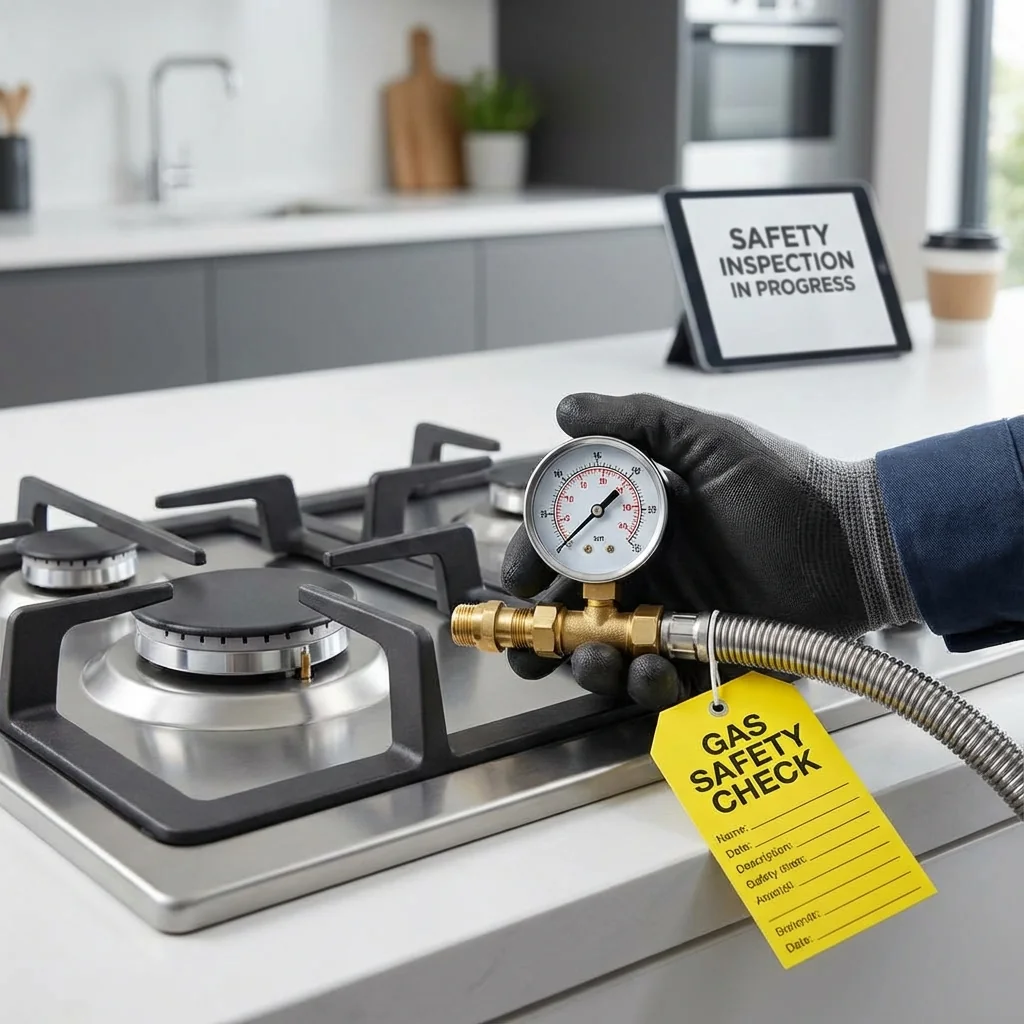
- Soap bubble testing: Visual confirmation of leak locations
- Manometer testing: Precise pressure measurement
Specialized Detection Techniques
Professional diagnostic methods:
- Gas chromatography: Chemical analysis of gas composition
- Tracer gas testing: Helium or hydrogen tracer detection
- Acoustic emission testing: Sound analysis for leak detection
- Ground penetrating radar: Underground gas line location
- Thermal imaging: Heat signature analysis for gas escape
EMERGENCY DETECTION PROCEDURES
Immediate Assessment Protocol
Emergency leak evaluation:
- Stop all activities and assess the situation
- Identify the source and severity of gas odor
- Evacuate if strong odor or immediate danger
- Avoid ignition sources and electrical switches
- Call emergency services and gas utility
Safe Investigation Methods
Careful leak investigation:
- Soap solution testing: Safe bubble test for small leaks
- Visual inspection: Looking for obvious damage or problems
- Sound detection: Listening for hissing or gas escape sounds
- Smell tracking: Following odor to identify source area
- Professional assistance: Calling experts for dangerous situations
Emergency Procedures
IMMEDIATE RESPONSE PROTOCOL
Gas Leak Emergency Steps
Critical safety actions:
- Do not use electrical switches, phones, or create sparks
- Evacuate all people and pets from the area immediately
- Do not attempt to locate or stop the leak yourself
- Go to a safe location away from the building
- Call 911 and your gas utility company emergency line
What NOT to Do
Dangerous actions to avoid:
- No smoking or open flames anywhere near the area
- No electrical switches including lights, appliances, or phones
- No vehicles starting or operating near the leak
- No attempting repairs or trying to stop the leak
- No re-entering the building until cleared by professionals
Communication Procedures
Emergency contact protocol:
- 911 emergency services: For immediate life-threatening situations
- Gas utility emergency line: For gas service and leak response
- Fire department: For evacuation assistance and safety
- Professional repair service: For appliance-specific problems
- Insurance company: For property damage and coverage
EVACUATION PROCEDURES
Building Evacuation
Safe evacuation steps:
- Alert all occupants immediately
- Leave doors and windows open while evacuating
- Do not use elevators or electrical devices
- Gather at predetermined safe meeting location
- Account for all people and pets
Neighborhood Safety
Community protection measures:
- Warn neighbors of potential danger
- Establish safe perimeter around leak area
- Coordinate with emergency responders
- Provide information about leak location and severity
- Stay available for emergency personnel questions
UTILITY COMPANY RESPONSE
Gas Company Emergency Services
Utility emergency response:
- 24/7 emergency response: Immediate professional response
- Leak detection and location: Professional equipment and expertise
- Gas service shutoff: Safe isolation of gas supply
- Area safety assessment: Evaluation of danger and evacuation needs
- Repair coordination: Professional repair and restoration services
Service Restoration Process
Gas service restoration steps:
- Leak repair and system testing by utility company
- Safety inspection and clearance by authorities
- Appliance inspection and testing by qualified technicians
- System pressure testing and leak verification
- Service restoration and normal operation resumption
Professional Gas Leak Repair
COMPREHENSIVE LEAK REPAIR SERVICES
Emergency Leak Response
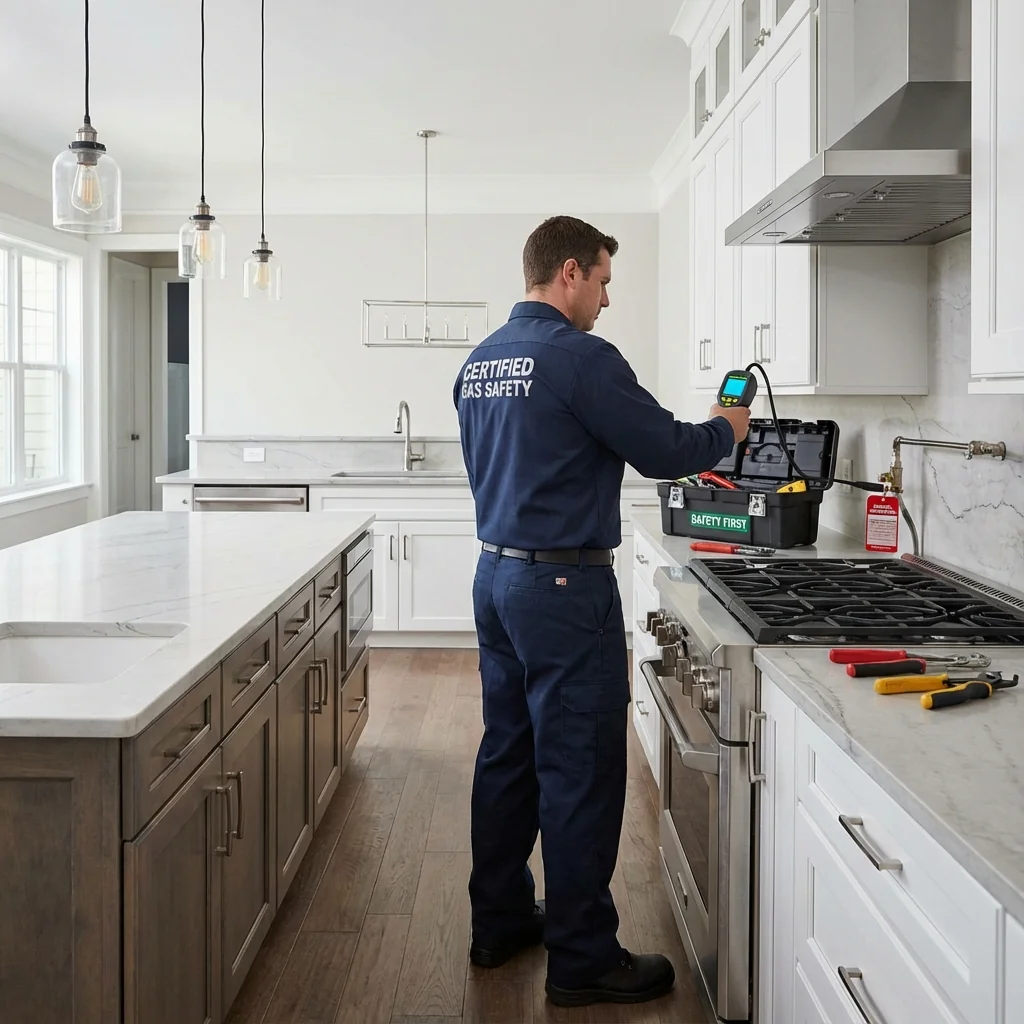
Immediate professional intervention:
- after-hours & emergency gas leak response (+$40)
- Professional leak detection and location
- Safe leak isolation and temporary repairs
- Coordination with utility companies and emergency services
- Complete safety assessment and clearance
Permanent Repair Solutions
Professional leak repair services:
- Connection repairs: Threaded fitting and union repairs
- Component replacement: Gas valve and control system replacement
- Pipe repairs: Gas line section replacement and repair
- Appliance repairs: Internal leak repair and component replacement
- System upgrades: Modern safety feature installation
LEAK DETECTION AND LOCATION
Advanced Detection Equipment
Professional detection capabilities:
- Electronic gas detectors with precise sensitivity
- Infrared gas imaging for visual leak identification
- Ultrasonic detection for pressurized gas leaks
- Soap solution testing for connection verification
- Pressure testing for system integrity verification
Comprehensive System Inspection
Complete gas system evaluation:
- All connections: Every fitting, union, and joint inspection
- Appliance internals: Internal component leak testing
- Gas lines: Complete piping system evaluation
- Safety devices: Shut-off valve and regulator inspection
- Ventilation systems: Proper venting and air supply verification
REPAIR TECHNIQUES AND METHODS
Connection Leak Repairs
Professional connection repair:
- Thread sealing: Proper pipe dope and tape application
- Fitting replacement: New fittings and connection hardware
- Torque specifications: Proper tightening to manufacturer specs
- Pressure testing: Verification of repair integrity
- Safety certification: Professional repair documentation
Component Replacement Services
Gas appliance component repair:
- Gas valves: Complete valve replacement and calibration
- Control systems: Electronic control and safety system replacement
- Flexible connectors: CSST and appliance connector replacement
- Shut-off valves: Manual gas control valve replacement
- Regulators: Pressure control device service and replacement
System Upgrades and Improvements
Modern safety enhancements:
- Automatic shut-off valves: Emergency gas shutoff systems
- Gas leak detectors: Electronic monitoring and alarm systems
- Excess flow valves: Automatic flow limiting safety devices
- Seismic shut-off valves: Earthquake-activated safety systems
- Smart monitoring: Remote gas system monitoring and control
Appliance-Specific Leak Issues
GAS FURNACE LEAK PROBLEMS
Common Furnace Leak Sources
Typical furnace leak locations:
- Heat exchanger cracks: Internal combustion chamber leaks
- Gas valve leaks: Control valve seat and seal failures
- Connection leaks: Supply line and fitting problems
- Manifold leaks: Gas distribution system problems
- Vent system leaks: Exhaust and combustion air leaks
Furnace Leak Repair Solutions
Professional furnace leak services:
- Heat exchanger inspection and replacement
- Gas valve service and replacement
- Connection tightening and seal replacement
- Manifold repair and component replacement
- Vent system inspection and repair
GAS WATER HEATER LEAKS
Water Heater Leak Issues
Common water heater problems:
- Gas control valve: Thermostat and safety valve leaks
- Pilot assembly: Pilot gas line and control leaks
- Vent connections: Exhaust system and draft hood leaks
- Supply connections: Inlet gas line and fitting leaks
- Internal components: Burner and manifold problems
Water Heater Leak Solutions
Professional water heater services:
- Gas control valve replacement and calibration
- Pilot assembly cleaning and replacement
- Vent system inspection and repair
- Supply connection service and replacement
- Complete water heater safety inspection
GAS RANGE AND OVEN LEAKS
Cooking Appliance Leak Sources
Range and oven leak problems:
- Surface burner valves: Control valve and seal problems
- Oven safety valves: Bake and broil valve leaks
- Connection fittings: Supply line and appliance connections
- Control systems: Electronic valve and solenoid leaks
- Flexible connectors: Appliance gas line problems
Range and Oven Leak Repair
Professional cooking appliance services:
- Surface burner valve replacement and adjustment
- Oven safety valve service and replacement
- Connection inspection and repair
- Control system diagnosis and replacement
- Flexible connector replacement and testing
GAS DRYER LEAK ISSUES
Dryer Gas Leak Problems
Common dryer leak sources:
- Gas valve solenoids: Electronic control valve leaks
- Connection points: Supply line and appliance connections
- Control systems: Electronic control and safety system leaks
- Burner assembly: Gas manifold and orifice problems
- Safety systems: Thermal protection and limit switch areas
Dryer Leak Repair Services
Professional dryer leak solutions:
- Gas valve solenoid replacement and testing
- Connection service and seal replacement
- Control system diagnosis and repair
- Burner assembly cleaning and repair
- Safety system inspection and replacement
Prevention and Maintenance
REGULAR LEAK PREVENTION
Homeowner Prevention Measures
Proactive leak prevention:
- Regular inspection: Visual checking of connections and appliances
- Professional maintenance: Annual gas appliance service
- Proper operation: Using appliances according to manufacturer instructions
- Environmental protection: Protecting gas lines from damage
- Immediate attention: Addressing problems promptly
Professional Maintenance Services
Expert preventive care:
- Annual inspections: Complete gas system evaluation
- Connection testing: All fittings and joint verification
- Component service: Gas valve and control system maintenance
- Safety testing: Emergency shutoff and safety system verification
- Documentation: Maintenance records and safety certification
SYSTEM MONITORING AND DETECTION
Gas Detection Systems
Automatic leak detection:
- Residential gas detectors: Home gas monitoring systems
- Smart home integration: Connected gas safety monitoring
- Professional monitoring: Commercial monitoring services
- Alarm systems: Automatic emergency notification
- Automatic shutoffs: Emergency gas supply isolation
Regular Testing Procedures
Ongoing safety verification:
- Monthly detector testing: Gas detector function verification
- Visual inspections: Regular appliance and connection checking
- Professional testing: Annual comprehensive system evaluation
- Emergency procedure review: Family safety plan practice
- Documentation updates: Maintenance and inspection records
ENVIRONMENTAL PROTECTION
Protecting Gas Lines
Infrastructure protection measures:
- Landscaping awareness: Avoiding damage during yard work
- Construction precautions: Professional location before digging
- Weather protection: Protecting exposed lines from elements
- Corrosion prevention: Proper coating and cathodic protection
- Access maintenance: Keeping shutoffs and meters accessible
Appliance Environment
Optimal appliance conditions:
- Proper ventilation: Adequate combustion and ventilation air
- Clearance maintenance: Proper spacing around appliances
- Moisture control: Preventing corrosion and component damage
- Temperature control: Protecting from extreme temperatures
- Cleanliness: Keeping appliances and areas clean and debris-free
Toronto Climate and Environmental Factors
SEASONAL LEAK CONSIDERATIONS
Winter Leak Challenges
Cold weather factors:
- Ground movement: Frost heaving affecting underground lines
- Increased usage: Higher gas demand during heating season
- Condensation issues: Moisture affecting connections and components
- Access problems: Snow and ice limiting access to equipment
- Emergency response: Weather affecting repair and service response
Summer Considerations
Warm weather factors:
- Ground settling: Soil movement affecting gas line integrity
- Construction season: Increased excavation and line damage risk
- Vegetation growth: Plants affecting gas line access and safety
- Humidity effects: Moisture affecting electrical components
- Maintenance season: Optimal time for system inspection and service
TORONTO INFRASTRUCTURE FACTORS
Urban Gas System Challenges
City-specific considerations:
- Aging infrastructure: Older gas lines and systems requiring attention
- High density: Multiple services and utilities in limited space
- Construction activity: Frequent excavation and development
- Emergency response: Coordinated response with multiple agencies
- Regulatory compliance: Local codes and safety requirements
Professional Service Coordination
Toronto service considerations:
- Utility coordination: Working with Enbridge Gas and other utilities
- Emergency services: Coordination with Toronto Fire and EMS
- Permit requirements: Local permits for gas work and repairs
- Code compliance: Meeting Ontario and Toronto safety codes
- Professional certification: Licensed and qualified gas technicians
Once the utility has made the leak safe, the faulty valve, fitting or connector still has to be replaced before the appliance goes back into service. Book a certified gas repair.
FAQ
Q: What should I do if I smell gas in my home? A: Immediately stop what you're doing, don't use electrical switches or create sparks, evacuate everyone from the building, and call 911 and your gas utility emergency line from a safe location.
Q: How can I tell if my gas appliance is leaking? A: Signs include gas odor (rotten egg smell), hissing sounds, dead vegetation near gas lines, and physical symptoms like headaches or dizziness. Any suspected leak requires immediate professional attention.
Q: Can I use soap and water to check for gas leaks? A: Yes, soap solution can safely detect small leaks at connections, but only attempt this if there's no strong gas odor. For any significant leak concerns, call professionals immediately.
Q: How often should gas appliances be checked for leaks? A: Professional inspection should be done annually, with homeowners doing visual checks monthly. Any time you smell gas or suspect a problem, call for immediate professional service.
Q: Are small gas leaks dangerous? A: Yes, even small leaks can become dangerous and should be repaired immediately. Gas can accumulate over time and create fire or explosion hazards, plus health risks from exposure.
Q: Who is responsible for gas leak repairs? A: The gas utility company handles leaks in their lines up to your meter. Homeowners are responsible for leaks in appliances and gas lines beyond the meter, requiring professional appliance repair services.
Emergency gas leak? Don't wait - call JK Appliances immediately at (647) 560-8966 for emergency gas leak detection and repair in Toronto. Our certified gas technicians provide after-hours & emergency response available (+$40) for all gas appliance safety concerns. Your safety is our priority!