Gas Appliance Producing Hot Air - Expert Heating System Repair Toronto
Gas appliances that produce hot air, primarily furnaces and heating systems, are essential for Toronto homeowners' comfort during cold weather. Proper hot air production involves efficient combustion, effective heat transfer, optimal air circulation, and precise temperature control. When these systems experience problems with hot air production, distribution, or quality, professional service ensures safe, efficient, and comfortable heating. This comprehensive guide covers hot air production systems, optimization strategies, troubleshooting procedures, and maintenance practices for Toronto homeowners seeking optimal heating performance.
Quick Answer: Gas appliance producing hot air efficiently? Professional heating system optimization in Toronto. Expert technicians from JK Appliances ensure optimal hot air production and distribution. This is a common issue that can usually be resolved with proper troubleshooting. If the problem persists, professional diagnosis is recommended.
Understanding Gas Hot Air Production Systems
HOT AIR GENERATION PROCESS
Combustion and Heat Generation
Primary heat production:
- Gas combustion: Natural gas or propane burning in combustion chamber
- Heat exchanger heating: Combustion heat warming heat exchanger surfaces
- Air heating: Return air passing over heated heat exchanger
- Temperature rise: Air temperature increase through heat transfer
- Hot air delivery: Heated air distribution through ductwork
Air Circulation Systems
Hot air movement and distribution:
- Return air collection: Cool air drawn from living spaces
- Air filtration: Cleaning air before heating process
- Blower operation: Fan forcing air through heating system
- Ductwork distribution: Hot air delivery to rooms and zones
- Air mixing: Hot and room air mixing for comfort
GAS FURNACE COMPONENTS
Primary Heating Components
Essential hot air production elements:
- Gas burners: Combustion chambers for heat generation
- Heat exchangers: Heat transfer surfaces for air heating
- Blower assembly: Fan and motor for air circulation
- Gas valve: Fuel flow control and safety shutoff
- Ignition system: Electronic or pilot light ignition
Air Handling Components
Air circulation and distribution systems:
- Return air ducts: Cool air collection from living spaces
- Supply air ducts: Hot air delivery to rooms
- Air filters: Air cleaning and system protection
- Dampers: Air flow control and zone management
- Registers and grilles: Air distribution outlets and inlets
Control and Safety Systems
System operation and protection:
- Thermostat: Temperature control and system activation
- Limit switches: Safety controls preventing overheating
- Pressure switches: Combustion air and vent safety monitoring
- Flame sensors: Combustion monitoring and safety shutoff
- Control boards: Electronic system coordination and control
FURNACE TYPES AND CONFIGURATIONS
Standard Efficiency Furnaces
Traditional hot air heating systems:
- 80% AFUE rating: Annual Fuel Utilization Efficiency
- Single-stage heating: On/off operation for heating demand
- Standard heat exchangers: Basic heat transfer design
- Conventional venting: Natural draft or induced draft venting
- Basic controls: Simple thermostat and safety controls
High-Efficiency Furnaces
Advanced hot air heating systems:
- 90%+ AFUE rating: High-efficiency heat utilization
- Modulating burners: Variable heat output for comfort
- Secondary heat exchangers: Condensing heat recovery
- Sealed combustion: Direct vent air supply and exhaust
- Advanced controls: Variable speed blowers and smart controls
Specialty Heating Systems
Specialized hot air production:
- Zoned systems: Multi-area temperature control
- Heat pump hybrids: Electric heat pump with gas backup
- Combination systems: Space and water heating units
- Commercial systems: Large-capacity hot air production
- Modular systems: Multiple unit installations for large spaces
Hot Air Production Optimization
COMBUSTION EFFICIENCY
Optimal Fuel-Air Mixture
Efficient combustion for maximum heat:
- Primary air control: Combustion air mixing at burners
- Secondary air supply: Additional air for complete combustion
- Gas pressure regulation: Proper fuel pressure for optimal burning
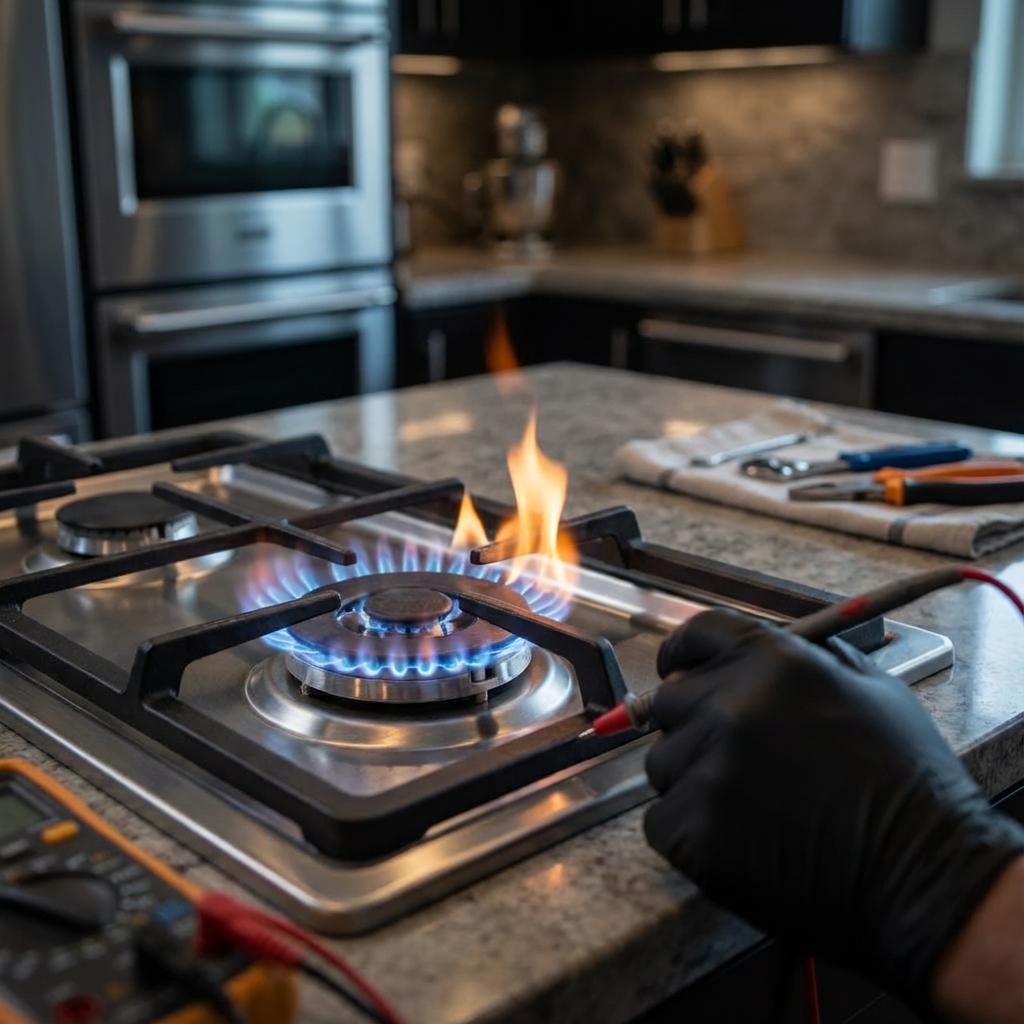
- Flame characteristics: Blue flames indicating efficient combustion
- Combustion analysis: Testing for optimal efficiency and safety
Heat Transfer Maximization
Effective heat exchange for hot air production:
- Heat exchanger design: Optimal surface area for heat transfer
- Air flow optimization: Proper air velocity over heat exchangers
- Temperature differential: Maximizing temperature rise through system
- Heat recovery: Capturing and utilizing waste heat
- Thermal efficiency: Minimizing heat loss in heat transfer process
Burner Performance
Optimal burner operation for hot air production:
- Burner cleaning: Removing debris and buildup from burner ports
- Flame adjustment: Optimizing flame size and characteristics
- Gas manifold pressure: Proper gas pressure for burner operation
- Ignition timing: Optimal ignition sequence for efficient startup
- Burner maintenance: Regular cleaning and adjustment for performance
AIR CIRCULATION OPTIMIZATION
Blower Performance
Optimal air movement for hot air distribution:
- Blower sizing: Proper fan capacity for system requirements
- Motor efficiency: High-efficiency blower motors for energy savings
- Speed control: Variable speed operation for comfort and efficiency
- Air flow measurement: Verifying proper air flow rates
- Blower maintenance: Regular cleaning and lubrication for performance
Ductwork Design and Performance
Effective hot air distribution:
- Duct sizing: Proper duct dimensions for air flow requirements
- Duct sealing: Eliminating air leaks for efficient distribution
- Insulation: Preventing heat loss in ductwork
- Air balancing: Optimizing air flow to all areas
- Return air design: Adequate return air for proper circulation
Air Quality and Filtration
Clean air for optimal hot air production:
- Filter selection: Choosing appropriate filters for system and air quality
- Filter maintenance: Regular replacement for optimal air flow
- Air cleaning: Additional air purification for improved air quality
- Humidity control: Managing moisture for comfort and system protection
- Ventilation integration: Fresh air introduction for indoor air quality
TEMPERATURE CONTROL AND COMFORT
Thermostat Optimization
Precise temperature control for comfort:
- Thermostat placement: Optimal location for accurate temperature sensing
- Programming: Efficient scheduling for comfort and energy savings
- Zoning systems: Multi-area temperature control for large homes
- Smart controls: Advanced features for optimal comfort and efficiency
- Calibration: Accurate temperature sensing and control
Heat Distribution
Even hot air distribution throughout home:
- Supply register placement: Optimal hot air delivery locations
- Return air design: Proper air circulation patterns
- Damper adjustment: Balancing air flow to different areas
- Zone control: Independent temperature control for different areas
- Air mixing: Proper hot and room air mixing for comfort
Comfort Enhancement
Improved heating comfort and air quality:
- Temperature consistency: Minimizing temperature swings
- Air velocity control: Comfortable air movement speeds
- Humidity management: Optimal moisture levels for comfort
- Noise reduction: Quiet operation for comfort
- Air quality improvement: Clean, healthy air for occupants
Common Hot Air Production Problems
INSUFFICIENT HOT AIR PRODUCTION
Heating Capacity Problems
Inadequate heat generation:
- Undersized furnace: Insufficient capacity for heating load
- Reduced burner output: Partial burner operation or blockages
- Heat exchanger problems: Cracked or fouled heat exchangers
- Gas supply issues: Insufficient gas pressure or flow
- Combustion air problems: Inadequate air for proper burning
Heat Transfer Problems
Reduced heating efficiency:
- Dirty heat exchangers: Buildup reducing heat transfer
- Poor air flow: Insufficient air movement over heat exchangers
- Ductwork problems: Leaks or restrictions reducing hot air delivery
- Filter restrictions: Dirty filters blocking air flow
- Blower problems: Fan issues reducing air circulation
Distribution Problems
Hot air delivery issues:
- Ductwork leaks: Hot air loss in distribution system
- Blocked registers: Obstructed hot air outlets
- Damper problems: Closed or stuck air control dampers
- Unbalanced system: Uneven hot air distribution
- Insulation problems: Heat loss in ductwork
POOR HOT AIR QUALITY
Combustion-Related Air Quality Issues
Combustion affecting air quality:
- Incomplete combustion: Producing carbon monoxide or other pollutants
- Heat exchanger cracks: Combustion gases mixing with air supply
- Vent problems: Exhaust gases entering living spaces
- Burner problems: Poor combustion affecting air quality
- Gas leaks: Natural gas odors in hot air supply
Air Handling System Issues
Air circulation affecting air quality:
- Dirty filters: Contaminated filters affecting air cleanliness
- Ductwork contamination: Dust, debris, or mold in air ducts
- Humidity problems: Excessive moisture causing air quality issues
- Static pressure problems: Air circulation issues affecting comfort
- Ventilation problems: Inadequate fresh air for indoor air quality
System Maintenance Issues
Maintenance affecting hot air quality:
- Neglected cleaning: Buildup affecting air quality and system performance
- Component wear: Worn parts affecting air quality and efficiency
- Lubrication problems: Lack of maintenance affecting operation
- Calibration drift: Controls affecting air quality and comfort
- Safety system problems: Safety devices affecting operation
UNEVEN HOT AIR DISTRIBUTION
Ductwork Design Problems
Air distribution system issues:
- Improper sizing: Undersized or oversized ducts affecting distribution
- Poor layout: Ductwork design causing uneven air flow
- Excessive length: Long duct runs causing pressure loss
- Sharp turns: Ductwork bends causing air flow restrictions
- Inadequate returns: Insufficient return air affecting circulation
System Balance Problems
Air flow balance issues:
- Damper adjustment: Improperly adjusted air control dampers
- Register problems: Blocked or improperly adjusted air outlets
- Pressure imbalances: Uneven air pressure affecting distribution
- Zone control issues: Multi-zone system balance problems
- Blower performance: Fan issues affecting air distribution
Building-Related Issues
Structure affecting hot air distribution:
- Insulation problems: Heat loss affecting temperature consistency
- Air leakage: Building air leaks affecting system performance
- Room layout: Building design affecting air circulation
- Window and door issues: Heat loss affecting comfort
- Thermal mass: Building materials affecting temperature stability
Diagnostic Procedures
HOT AIR PRODUCTION TESTING
Combustion Analysis
Heating efficiency and safety testing:
- Combustion efficiency testing: Measuring fuel utilization efficiency
- Flue gas analysis: Testing combustion byproducts for safety and efficiency
- Draft testing: Verifying proper venting and air flow
- Gas pressure testing: Checking fuel pressure for optimal combustion
- Flame observation: Visual inspection of burner flames
Heat Transfer Testing
Heat exchange efficiency evaluation:
- Temperature rise testing: Measuring air temperature increase through system
- Heat exchanger inspection: Checking for cracks, corrosion, or fouling
- Air flow testing: Measuring air movement through heat exchangers
- Thermal imaging: Identifying heat transfer problems
- Efficiency calculation: Determining overall heating efficiency
AIR CIRCULATION TESTING
Blower Performance Testing
Air movement system evaluation:
- Air flow measurement: Testing air volume and velocity
- Static pressure testing: Measuring system air pressures
- Motor performance testing: Checking blower motor operation
- Belt and drive testing: Verifying mechanical drive systems
- Electrical testing: Checking motor electrical consumption and performance
Ductwork Testing
Air distribution system evaluation:
- Duct leakage testing: Measuring air loss in distribution system
- Air balancing: Testing air flow to different areas
- Pressure testing: Measuring air pressures throughout system
- Temperature testing: Checking air temperatures at outlets
- Visual inspection: Examining ductwork condition and installation
CONTROL SYSTEM TESTING
Thermostat and Control Testing
Temperature control system evaluation:
- Thermostat calibration: Verifying accurate temperature sensing
- Control response testing: Checking system response to temperature changes
- Safety control testing: Verifying safety device operation
- Sequence testing: Checking proper system startup and shutdown
- Programming verification: Confirming proper thermostat programming
Advanced Control Testing
Smart system and zone control evaluation:
- Zone control testing: Verifying multi-zone system operation
- Smart control testing: Checking advanced control features
- Communication testing: Verifying system communication and connectivity
- Sensor testing: Checking temperature and other sensor accuracy
- Integration testing: Verifying smart home system integration
Professional Hot Air System Services
COMBUSTION SYSTEM OPTIMIZATION
Burner Service and Tuning
Optimal combustion for hot air production:
- Burner cleaning: Thorough cleaning of burner assemblies
- Combustion tuning: Optimizing air-fuel mixture for efficiency
- Gas pressure adjustment: Setting proper fuel pressure
- Ignition system service: Cleaning and adjusting ignition components
- Safety control testing: Verifying combustion safety systems
Heat Exchanger Service
Heat transfer optimization:
- Heat exchanger cleaning: Removing buildup for optimal heat transfer
- Crack detection: Professional inspection for heat exchanger integrity
- Repair services: Heat exchanger repair and replacement
- Efficiency restoration: Restoring optimal heat transfer performance
- Safety verification: Ensuring heat exchanger safety and integrity
AIR HANDLING SYSTEM SERVICE
Blower System Service
Air circulation optimization:
- Blower cleaning: Thorough cleaning of blower assembly
- Motor service: Blower motor maintenance and repair
- Belt service: Drive belt adjustment and replacement
- Bearing lubrication: Motor bearing maintenance
- Performance optimization: Blower speed and performance tuning
Ductwork Service
Air distribution system optimization:
- Duct cleaning: Professional air duct cleaning services
- Duct sealing: Sealing air leaks for improved efficiency
- Insulation service: Ductwork insulation installation and repair
- Air balancing: Professional air flow balancing
- System design: Ductwork design improvements and modifications
CONTROL SYSTEM SERVICE
Thermostat and Control Service
Temperature control optimization:
- Thermostat replacement: Installing new temperature controls
- Control calibration: Adjusting controls for accurate operation
- Programming service: Optimizing thermostat programming
- Wiring service: Electrical connection repair and upgrade
- Integration service: Smart home system integration
Advanced Control Installation
Smart system and zone control installation:
- Zone control installation: Multi-area temperature control systems
- Smart thermostat installation: Advanced control system installation
- Sensor installation: Additional temperature and air quality sensors
- Communication setup: Network connectivity and remote access
- System integration: Coordinating with other home automation systems
Energy Efficiency and Cost Optimization
EFFICIENCY IMPROVEMENT STRATEGIES
High-Efficiency Equipment Upgrades
Energy-efficient hot air production:
- High-efficiency furnace installation: 90%+ AFUE equipment
- Variable speed blower installation: Energy-efficient air circulation
- Modulating gas valve installation: Variable heat output for efficiency
- Smart control installation: Advanced controls for optimal efficiency
- Heat recovery systems: Capturing and utilizing waste heat
System Optimization
Maximizing existing system efficiency:
- Combustion tuning: Optimizing fuel utilization efficiency
- Air flow optimization: Improving air circulation efficiency
- Ductwork improvements: Reducing air loss and improving distribution
- Insulation upgrades: Reducing heat loss in distribution system
- Control optimization: Programming for optimal efficiency and comfort
COST REDUCTION STRATEGIES
Operating Cost Reduction
Reducing hot air production costs:
- Efficiency improvements: Reducing fuel consumption through optimization
- Maintenance programs: Preventive maintenance for optimal performance
- Usage optimization: Programming and scheduling for cost savings
- Energy monitoring: Tracking and managing energy consumption
- Utility programs: Taking advantage of utility efficiency programs
Long-Term Investment Planning
Strategic equipment and system planning:
- Equipment lifecycle planning: Planning for equipment replacement
- Efficiency upgrades: Investing in high-efficiency equipment
- System expansion: Planning for future heating needs
- Technology integration: Incorporating new heating technologies
- Warranty programs: Extended warranty and service programs
Seasonal Maintenance and Preparation
PRE-HEATING SEASON PREPARATION
Fall System Startup
Preparing for heating season:
- System inspection: Comprehensive pre-season inspection
- Cleaning services: Thorough system cleaning and maintenance
- Safety testing: Complete safety system testing
- Performance testing: Verifying optimal system performance
- Problem identification: Identifying and addressing potential issues
Component Preparation
Preparing system components for operation:
- Filter replacement: Installing new air filters
- Lubrication service: Lubricating motors and moving parts
- Belt inspection: Checking and adjusting drive belts
- Electrical testing: Verifying electrical connections and operation
- Control testing: Checking thermostat and control operation
IN-SEASON MAINTENANCE
Ongoing System Care
Maintaining optimal performance during heating season:
- Filter monitoring: Regular air filter inspection and replacement
- Performance monitoring: Watching for changes in system performance
- Safety monitoring: Ongoing safety system monitoring
- Efficiency tracking: Monitoring energy consumption and efficiency
- Problem response: Prompt attention to developing problems
Emergency Preparedness
Preparing for heating emergencies:
- Emergency service contacts: Having professional service contacts ready
- Backup heating plans: Alternative heating options for emergencies
- Safety equipment: Carbon monoxide detectors and safety equipment
- Emergency supplies: Heating system emergency supplies
- System knowledge: Understanding basic system operation and safety
POST-SEASON MAINTENANCE
Spring System Shutdown
End-of-season system care:
- System shutdown: Safe system shutdown procedures
- Cleaning services: End-of-season cleaning and maintenance
- Component protection: Protecting components during off-season
- Problem documentation: Recording issues for next season attention
- Upgrade planning: Planning system improvements and upgrades
Off-Season Preparation
Preparing system for off-season:
- Component inspection: Checking components for wear or damage
- Maintenance scheduling: Planning off-season maintenance and repairs
- Upgrade planning: Considering system improvements and upgrades
- Parts inventory: Stocking common replacement parts
- Service scheduling: Scheduling professional maintenance and service
Toronto Climate and Heating Considerations
WINTER HEATING DEMANDS
Extreme Cold Operation
Cold weather hot air production:
- Maximum capacity operation: System operating at full capacity
- Extended operation: Long heating cycles during cold weather
- System stress: Cold weather stress on heating components
- Emergency heating: Critical need for reliable hot air production
- Backup heating: Secondary heating options for emergencies
Cold Weather Optimization
Optimizing hot air production for Toronto winters:
- Temperature settings: Optimal thermostat settings for efficiency and comfort
- System preparation: Preparing system for extreme cold operation
- Insulation improvements: Enhancing building insulation for efficiency
- Air sealing: Reducing air leaks for improved efficiency
- Emergency planning: Preparing for heating system emergencies
TORONTO HOUSING FACTORS
Urban Heating Considerations
City-specific hot air production factors:
- Building density: Close proximity affecting heating needs
- Utility reliability: Urban gas supply characteristics
- Code compliance: Meeting local heating and safety codes
- Emergency services: Coordination with local emergency response
- Professional services: Local heating service availability
Professional Service Coordination
Toronto heating service coordination:
- Local expertise: Technicians familiar with Toronto heating needs
- Emergency response: Coordinated emergency heating service
- Parts availability: Local parts inventory for heating repairs
- Utility coordination: Working with local gas utilities
- Warranty support: Local warranty and service support
FAQ
Q: How can I improve my gas furnace's hot air production? A: Regular maintenance, proper air filter replacement, ductwork sealing, and professional tuning can significantly improve hot air production. A professional assessment can identify specific improvement opportunities.
Q: Why is my furnace producing hot air but not heating my home evenly? A: Uneven heating often results from ductwork problems, air balancing issues, or system sizing problems. Professional air balancing and ductwork evaluation can resolve distribution issues.
Q: How often should I have my gas furnace serviced for optimal hot air production? A: Annual professional maintenance is recommended, with additional service if performance problems develop. Regular maintenance ensures optimal hot air production and system efficiency.
Q: What temperature should I set my thermostat for efficient hot air production? A: 68-70°F during occupied hours and 60-65°F when away provides good comfort and efficiency. Programmable thermostats can optimize settings automatically.
Q: Can dirty air filters affect my furnace's hot air production? A: Yes, dirty filters restrict air flow, reducing hot air production and system efficiency. Filters should be checked monthly and replaced when dirty.
Q: How can I tell if my furnace is producing hot air efficiently? A: Signs of efficient operation include consistent temperatures, reasonable energy bills, clean air filters lasting their expected time, and proper flame characteristics. Professional efficiency testing provides accurate assessment.
Need optimal hot air production from your gas appliance? Call JK Appliances at (647) 560-8966 for expert heating system service in Toronto. Our experienced technicians ensure efficient, comfortable, and safe hot air production for your home!
Common Questions People Ask
Q: Is it normal for my gas furnace repair to have issues? No, this is not normal behavior and indicates an underlying issue that should be addressed promptly to prevent further damage.
Q: Can I fix this gas furnace repair problem myself? Some basic issues can be resolved with DIY troubleshooting, but complex problems require professional diagnosis to avoid safety risks and warranty issues.
Q: How much does professional gas furnace repair repair cost in Toronto? Repair costs typically range from $150-$400 depending on the specific issue and parts needed. Our technicians provide free estimates before any work begins.
Q: How long does gas furnace repair repair take? Most repairs are completed within 1-2 hours during a single visit. Some cases may require ordering specialty parts with a follow-up appointment.
Q: Should I repair or replace my gas furnace repair? If your gas furnace repair is less than 8 years old and repair costs are under 50% of replacement cost, repair is usually the better value. Our technicians can help you make the right decision.
Q: Do you offer same-day gas furnace repair repair in Toronto? Yes! We offer same-day and emergency repair services throughout Toronto and the Greater Toronto Area for urgent issues.
Q: What brands of gas furnace repair do you repair? We service all major brands including Bosch, Samsung, LG, Whirlpool, KitchenAid, GE, Maytag, Frigidaire, Miele, and more.
Q: Is gas furnace repair repair covered by warranty? Many gas furnace repair issues are covered under manufacturer warranty. We can help verify your warranty status and handle claim processing.
Expert Tips & Pro Insights
💡 Pro Tip: Regular maintenance can prevent 80% of appliance problems. Follow manufacturer guidelines for cleaning and care.
⚠️ Safety Warning: Always disconnect power before attempting any repairs or inspections. If you smell gas, evacuate immediately and call emergency services.
🔧 Technician Insight: Many issues that seem complex often have simple solutions. Start with basic troubleshooting before assuming the worst.
📞 When to Call a Professional: If you encounter electrical components, gas lines, refrigerant systems, or if basic troubleshooting doesn't resolve the issue, it's time to call an expert.