Gas Oven Won't Light? Ignition Problems & Repair Guide Toronto
Gas oven ignition problems can leave you unable to cook and may pose safety risks if not addressed properly. Whether your oven won't light at all, has a weak flame, or the igniter glows but doesn't ignite gas, this comprehensive guide will help you diagnose and safely resolve ignition issues.
Quick Answer: Gas oven won't ignite, pilot light out, or igniter glowing but no flame? Learn to fix gas oven ignition issues. Expert gas oven repair in Toronto from JK Appliances.
Common Gas Oven Ignition Problems
OVEN WON'T IGNITE AT ALL
Symptoms: No clicking sound, no glow from igniter, complete silence Causes: Power failure, faulty igniter, gas supply issues, control problems Safety concern: Gas may accumulate if valve is open but not igniting
IGNITER GLOWS BUT NO FLAME
Symptoms: Igniter glows orange/white but gas doesn't light, long delay before ignition Causes: Weak igniter, gas pressure issues, dirty burner ports, faulty gas valve Result: Delayed ignition, potential gas buildup, inconsistent lighting
PILOT LIGHT WON'T STAY LIT
Symptoms: Pilot lights but goes out immediately, frequent relighting needed Causes: Dirty thermocouple, improper air mixture, drafts, faulty safety valve Impact: Oven won't operate, safety system activation
WEAK OR YELLOW FLAME
Symptoms: Flame burns yellow instead of blue, low flame height, poor heating Causes: Clogged burner ports, improper air mixture, low gas pressure Effect: Poor cooking performance, incomplete combustion, safety risks
DELAYED IGNITION
Symptoms: Long delay between turning on and ignition, loud "whoosh" when lighting Causes: Dirty igniter, weak spark, gas pressure fluctuations Danger: Gas accumulation before ignition, potential flashback
Understanding Gas Oven Ignition Systems
HOT SURFACE IGNITION (MODERN OVENS)
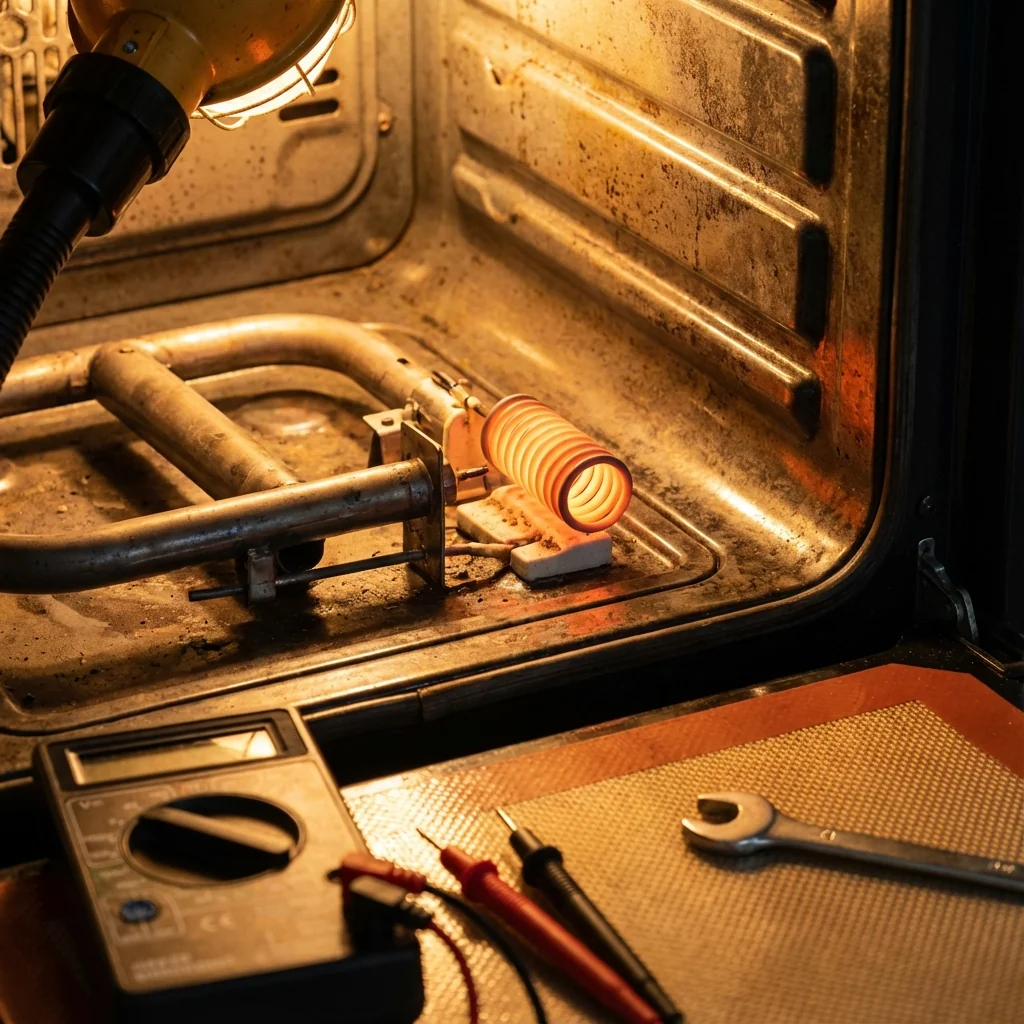
Operation: Electric igniter heats to 1800°F+, opens gas valve when hot enough Components: Silicon carbide or silicon nitride igniter, gas valve, control module Advantages: Reliable, no pilot light needed, energy efficient Common issues: Igniter degradation, cracking, electrical failures
PILOT LIGHT SYSTEMS (OLDER OVENS)
Operation: Continuous small flame lights main burner when gas valve opens Components: Pilot burner, thermocouple, safety valve, gas controls Advantages: Simple, works without electricity Disadvantages: Continuous gas consumption, safety concerns
ELECTRONIC IGNITION
Operation: Spark ignites gas when oven is turned on Components: Spark electrode, ignition module, flame sensor Benefits: No continuous pilot, reliable operation Problems: Electrode fouling, module failure, grounding issues
Diagnosing Ignition Problems
SAFETY FIRST - GAS LEAK CHECK
- Smell for gas around oven and connections
- Use soap solution on gas connections - bubbles indicate leaks
- Check gas meter - dial should not move with all appliances off
- If gas smell detected - turn off gas, ventilate area, call professionals
VISUAL INSPECTION
Igniter Examination
- Remove oven racks for clear access
- Locate igniter - usually near burner tube
- Check for cracks or breaks in igniter element
- Look for corrosion or buildup on igniter
- Inspect wiring connections to igniter
Burner Assessment
- Examine burner ports for clogs or debris
- Check burner alignment and positioning
- Look for rust or corrosion on burner
- Inspect gas tube connections
- Verify proper burner installation
Gas Supply Check
- Confirm gas valve is fully open
- Check other gas appliances for proper operation
- Inspect gas line connections for tightness
- Verify gas pressure at meter (professional task)
FUNCTIONAL TESTING
Igniter Performance Test
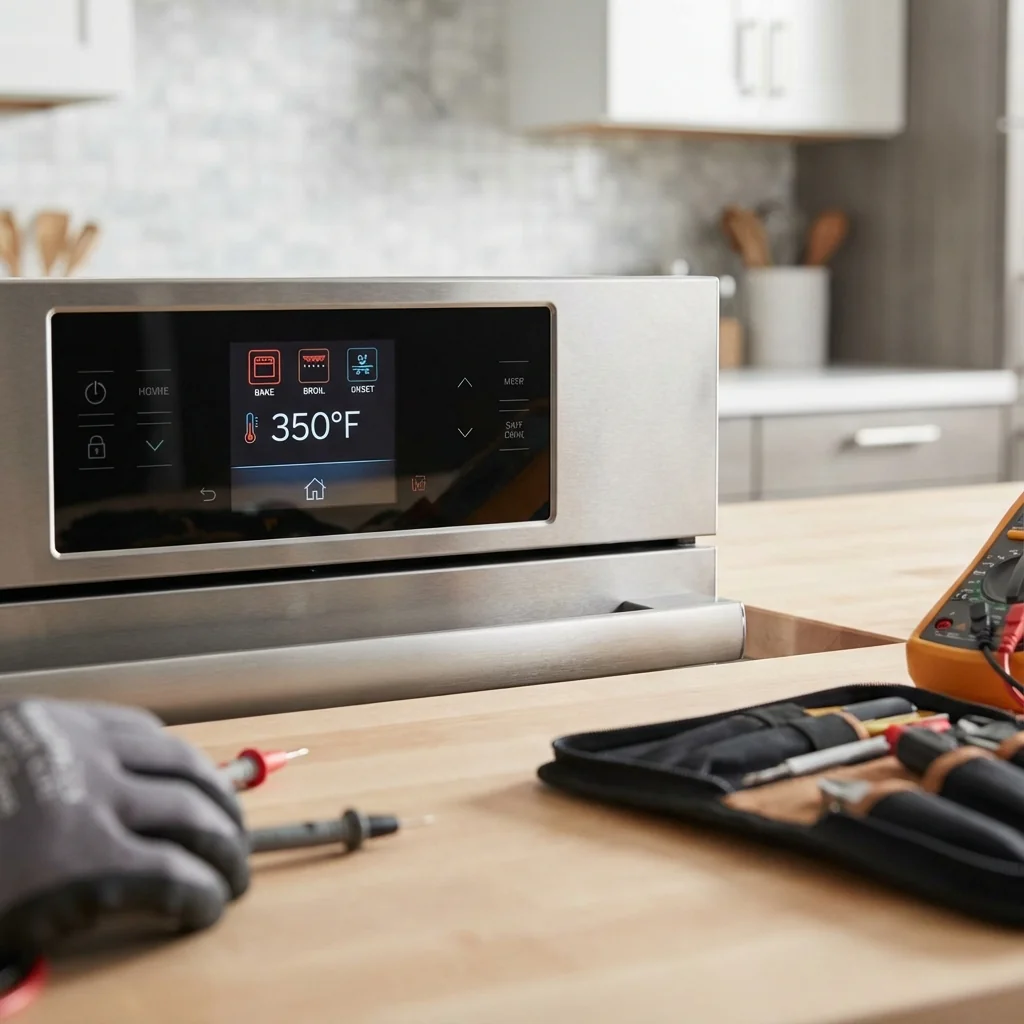
- Turn oven to bake at 350°F
- Observe igniter - should glow within 30 seconds
- Time glow period - should reach full brightness in 60-90 seconds
- Listen for gas valve opening (soft click)
- Check for flame within 2 minutes
Electrical Testing (Advanced)
- Test igniter resistance with multimeter (40-400 ohms typical)
- Check voltage to igniter (120V AC)
- Test gas valve solenoid resistance
- Verify control board signals
Warning: Electrical testing should be performed by qualified technicians.
DIY Troubleshooting
CLEANING PROCEDURES
Igniter Cleaning
- Turn off gas and electrical power
- Remove oven bottom panel if necessary
- Gently brush igniter with soft toothbrush
- Avoid touching igniter element directly
- Remove debris from around igniter
Caution: Igniters are fragile - handle with extreme care.
Burner Port Cleaning
- Remove burner assembly if possible
- Use thin wire or needle to clear ports
- Blow out debris with compressed air
- Soak in warm soapy water if heavily soiled
- Dry thoroughly before reinstalling
Pilot Light Cleaning (Older Ovens)
- Turn off gas supply
- Remove pilot assembly cover
- Clean pilot orifice with fine wire
- Clean thermocouple with fine sandpaper
- Reassemble and test operation
BASIC ADJUSTMENTS
Air Shutter Adjustment
- Locate air shutter on burner tube
- Loosen adjustment screw slightly
- Adjust opening for proper blue flame
- Tighten screw when optimal flame achieved
- Test operation at different settings
Pilot Light Adjustment
- Locate pilot adjustment screw
- Turn clockwise to reduce flame
- Turn counterclockwise to increase flame
- Adjust for steady 1/2 inch blue flame
- Test thermocouple heating
SIMPLE REPAIRS
Igniter Replacement
- Disconnect power and gas supply
- Remove oven bottom and heat shield
- Disconnect igniter wires (note positions)
- Remove mounting screws
- Install new igniter in reverse order
Important: Use exact replacement part number.
Thermocouple Replacement
- Turn off gas supply
- Disconnect thermocouple from gas valve
- Remove from pilot assembly
- Install new thermocouple with proper positioning
- Test pilot light operation
Professional Repair Situations
GAS VALVE PROBLEMS
Symptoms requiring professional service:
- Gas valve won't open despite hot igniter
- Inconsistent gas flow
- Gas valve stuck open or closed
- Multiple ignition attempts needed
Why professional needed:
- Gas safety expertise required
- Specialized tools for gas work
- Pressure testing equipment needed
- Code compliance requirements
CONTROL BOARD ISSUES
Complex problems:
- Ignition timing problems
- Multiple system failures
- Electronic control malfunctions
- Safety system integration issues
GAS LINE PROBLEMS
Professional service required:
- Low gas pressure issues
- Gas line modifications needed
- Meter or regulator problems
- New gas connections required
Safety Considerations
GAS SAFETY RULES
- Never use matches to light a gas oven
- Don't bypass safety systems
- Turn off gas immediately if you smell gas
- Ventilate area if gas odor detected
- Call professionals for any gas leaks
ELECTRICAL SAFETY
- Disconnect power before electrical work
- Don't work on live circuits
- Use proper tools for electrical testing
- Check grounding connections
CARBON MONOXIDE PREVENTION
- Ensure proper combustion (blue flames)
- Maintain adequate ventilation
- Install CO detectors in kitchen area
- Have annual professional inspection
FIRE PREVENTION
- Keep area clear of combustibles
- Don't store items in oven
- Clean regularly to prevent grease buildup
- Know location of gas shutoff valve
Common Issues by Brand
WHIRLPOOL/KENMORE GAS OVENS
Typical problems:
- Igniter degradation over time
- Gas valve solenoid failures
- Control board timing issues
- Burner port clogging
Common solutions:
- Igniter replacement every 5-7 years
- Regular cleaning maintenance
- Control board updates
GE GAS OVENS
Frequent issues:
- Hot surface igniter cracking
- Gas valve cycling problems
- Pilot light system maintenance
- Thermocouple failures
Repair approaches:
- Upgraded igniter materials
- Gas valve calibration
- Thermocouple replacement
FRIGIDAIRE GAS OVENS
Known problems:
- Ignition timing delays
- Weak igniter performance
- Gas pressure sensitivity
- Control module failures
Solutions:
- Igniter upgrade programs
- Gas pressure regulation
- Control module replacement
MAYTAG GAS OVENS
Common concerns:
- Burner port design issues
- Igniter mounting problems
- Gas valve reliability
- Safety system sensitivity
Typical fixes:
- Burner redesign updates
- Improved mounting hardware
- Gas valve replacement
Toronto-Specific Considerations
NATURAL GAS VS. PROPANE
Natural gas (Enbridge): Most Toronto homes, lower pressure, different orifices Propane (rural/backup): Higher pressure, requires different components Conversion: Professional service required, safety critical
SEASONAL CONSIDERATIONS
Winter: Gas pressure fluctuations, condensation issues Summer: Thermal expansion effects, ventilation concerns Humidity: Can affect electrical components
LOCAL CODES AND REGULATIONS
- TSSA requirements for gas work
- Building code compliance needed
- Permit requirements for major repairs
- Professional licensing for gas work
Cost Analysis
DIY REPAIRS
- Igniter replacement: $50-150
- Thermocouple: $20-40
- Cleaning supplies: $10-20
- Basic tools: $30-50
PROFESSIONAL REPAIRS
- Gas valve replacement: $300-500
- Control board: $250-400
- Complete ignition system: $400-600
- Gas line work: $200-800
SAFETY CONSIDERATIONS
- Professional diagnosis: $100-150
- Gas leak detection: $150-250
- Safety inspection: $100-200
- Emergency service: $200-400
Maintenance Schedule
MONTHLY CHECKS
- Visual inspection of igniter
- Check for gas odors
- Test ignition timing
- Clean spills immediately
QUARTERLY MAINTENANCE
- Clean burner ports
- Inspect gas connections
- Test safety systems
- Check flame quality
ANNUAL SERVICE
- Professional inspection
- Gas pressure testing
- Complete system cleaning
- Safety system verification
Troubleshooting Quick Reference
NO IGNITION AT ALL
- Check power supply - circuit breaker, outlet
- Verify gas supply - other appliances working
- Inspect igniter for cracks or damage
- Test igniter electrical connections
IGNITER GLOWS BUT NO FLAME
- Check igniter strength - should glow bright white
- Clean burner ports thoroughly
- Verify gas pressure (professional task)
- Test gas valve operation
DELAYED IGNITION
- Clean igniter surface gently
- Check for drafts affecting ignition
- Inspect burner alignment
- Test gas valve timing
PILOT LIGHT PROBLEMS
- Clean pilot orifice carefully
- Adjust pilot flame height
- Check thermocouple position
- Test safety valve operation
When to Call Professionals
IMMEDIATE SERVICE NEEDED
- Gas odor detected
- No ignition after basic troubleshooting
- Yellow flames or poor combustion
- Carbon monoxide alarm activation
COMPLEX REPAIRS
- Gas valve replacement needed
- Control board problems
- Gas line modifications required
- Multiple system failures
SAFETY CONCERNS
- Any gas leak suspected
- Electrical and gas combination issues
- Code compliance questions
- Permit requirements
Prevention Strategies
REGULAR MAINTENANCE
- Clean regularly to prevent buildup
- Inspect monthly for early problems
- Professional service annually
- Replace igniters proactively
PROPER USAGE
- Don't use oven for heating
- Keep vents clear for proper airflow
- Follow manufacturer instructions
- Report problems immediately
ENVIRONMENTAL PROTECTION
- Control kitchen humidity
- Ensure adequate ventilation
- Protect from temperature extremes
- Maintain stable gas pressure
FAQ
Q: Why does my gas oven igniter glow but not light the gas? A: Usually indicates a weak igniter that can't draw enough current to open the gas valve. Replacement typically needed.
Q: Is it safe to light my gas oven with a match if the igniter doesn't work? A: No, never use matches. This bypasses safety systems and can cause dangerous gas accumulation.
Q: How long should my oven igniter glow before lighting? A: Typically 30-90 seconds. Longer delays may indicate igniter weakness or gas pressure issues.
Q: Can I clean my oven igniter? A: Yes, but very gently with a soft brush. Igniters are fragile and easily damaged.
Q: Why does my pilot light keep going out? A: Usually caused by dirty thermocouple, drafts, or improper flame adjustment. Professional diagnosis recommended.
Don't risk gas safety issues! JK Appliances provides expert gas oven ignition repair throughout Toronto. Our certified technicians safely diagnose and repair all ignition problems. Call (647) 560-8966 or book online for prompt, safe gas oven service.