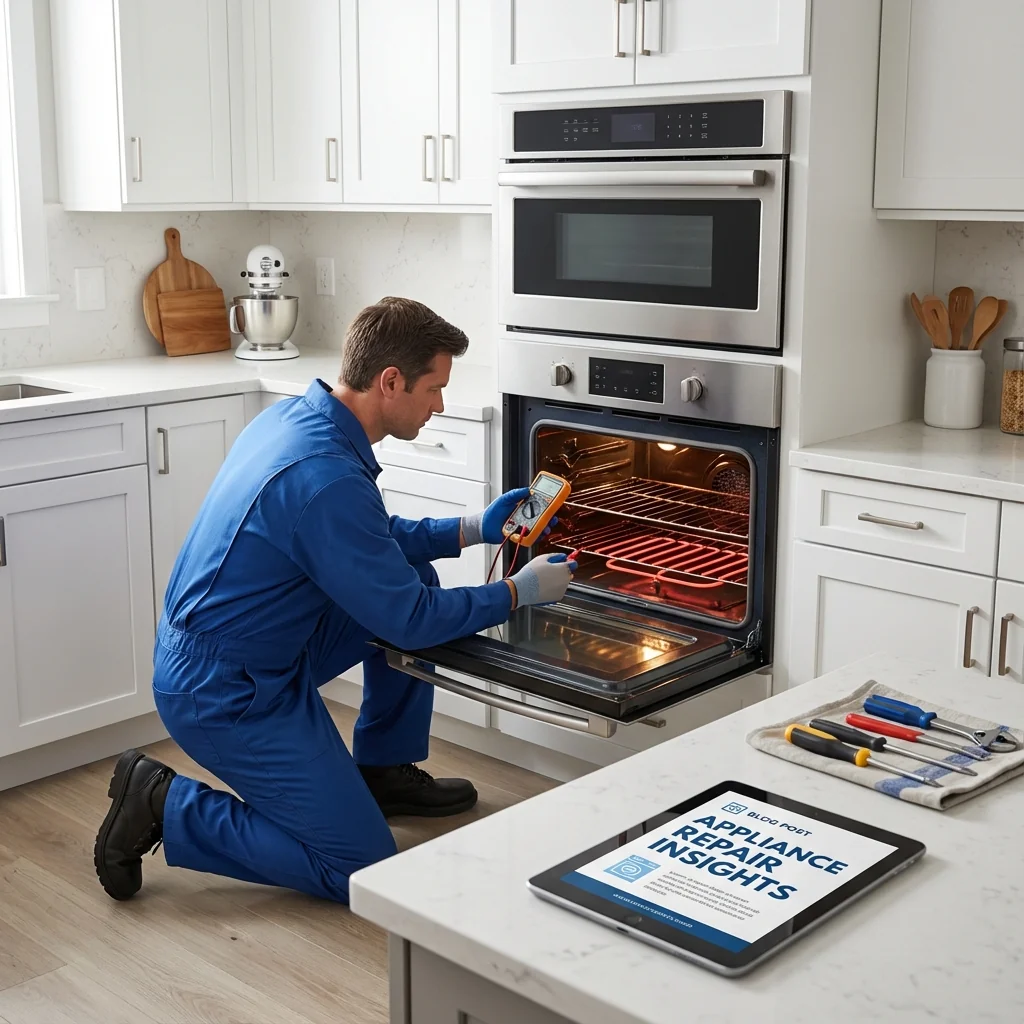
Oven Overheating? Fix High Temperature Issues in Toronto
An oven that gets too hot is more than just an inconvenience—it's a serious safety hazard and fire risk. If your oven is burning food, running 50-100°F hotter than set, or showing overheating error codes, immediate action is required.
At JK Appliances Toronto, we handle emergency oven overheating repairs daily across the GTA. This comprehensive guide explains why ovens overheat, the dangers involved, and how to fix high temperature issues safely for all major oven brands.
Quick Answer: Is your oven getting too hot and burning food? Learn why ovens overheat, the dangers of high oven temperatures, and how to fix overheating issues for all brands in Toronto.
Signs Your Oven Is Overheating
Obvious Symptoms
Food Problems:
- Food burns even at correct temperature
- Items cook much faster than recipe states
- Tops burn while insides undercooked
- Everything comes out overdone
- Baked goods burn on edges/bottom
Oven Behavior:
- Display shows abnormally high temps
- Error codes: F2, F10, C-21, E115
- Oven cavity extremely hot to touch outside
- Smoke during normal cooking
- Unusual smells (burning, hot metal)
- Cabinet or surrounding areas hot
Safety Red Flags:
- Oven won't turn off
- Elements stay on constantly
- No temperature cycling (always heating)
- Flames or sparks visible
- Smoke alarm triggered
- Control panel unresponsive
Testing for Overhe ating
Oven Thermometer Test:
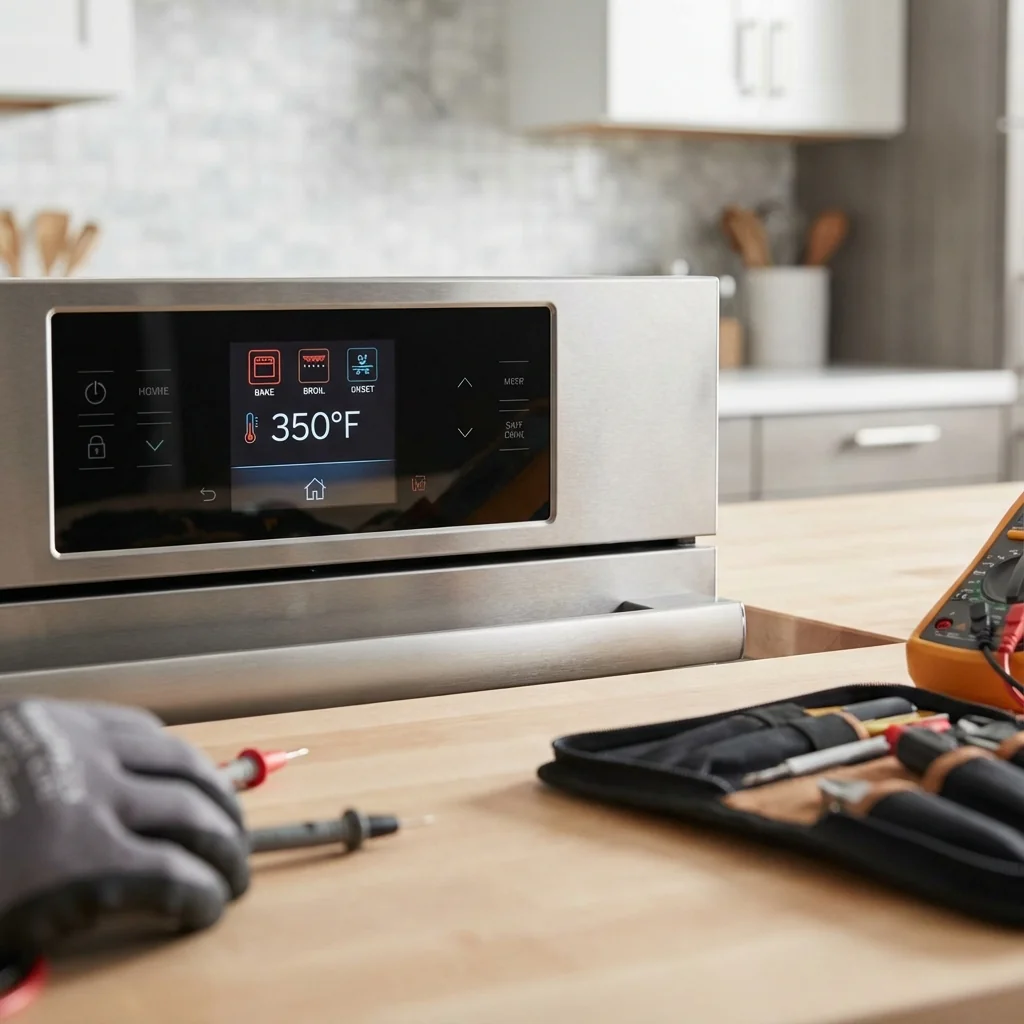
- Place oven thermometer in center of oven
- Set oven to 350°F
- Preheat fully (wait for indicator)
- Wait additional 20 minutes for stabilization
- Read thermometer
- Should be within ±25°F of set temp
- If 50°F+ over, oven is overheating
Multiple Position Test:
- Test front, back, top, bottom positions
- Identify hottest area
- Helps diagnose cause
- Document all readings
⚠️ DANGERS OF OVEN OVERHEATING
Immediate Safety Risks
Fire Hazard:
- Grease fires from overheated drippings
- Can ignite nearby items
- Cabinets/walls can overheat
- Insulation can catch fire
- Kitchen fire from runaway temperatures
Carbon Monoxide (Gas Ovens):
- Incomplete combustion from too much heat
- Invisible, odorless, deadly
- Headaches, nausea first symptoms
- Can be fatal in enclosed spaces
- Install CO detector near oven
Burn Injuries:
- Exterior surfaces extremely hot
- Can burn hands/arms
- Children especially at risk
- Steam burns from door opening
- Hot item contact
Property Damage:
- Melted nearby items
- Cabinet damage
- Countertop warping
- Wall damage
- Costly repairs
If Oven is Currently Overheating:
- Turn off oven immediately
- Do not open door (trapped heat)
- Turn off circuit breaker
- Evacuate kitchen area
- Watch for smoke/fire
- Call for emergency repair
- Do NOT use until professionally repaired
Top Causes of Oven Overheating
1. St uck Relay on Control Board
Most Common Cause (40%+ of overheating issues)
The Problem: The control board has a relay that turns heating elements on/off. When stuck in "on" position, elements heat continuously without cycling off.
How It Happens:
- Electrical component wear
- Power surge damage
- Age-related failure
- Moisture exposure
- Manufacturing defect
Symptoms:
- Oven won't stop heating
- Temperature keeps rising
- Error code F2 or F10 (most brands)
- Oven eventually errors out for safety
- May trip breaker
Why It's Dangerous:
- No automatic shutoff
- Temperatures can exceed 600°F+
- Fire risk increases exponentially
- Can damage oven permanently
- Adjacent cabinets at risk
Diagnosis:
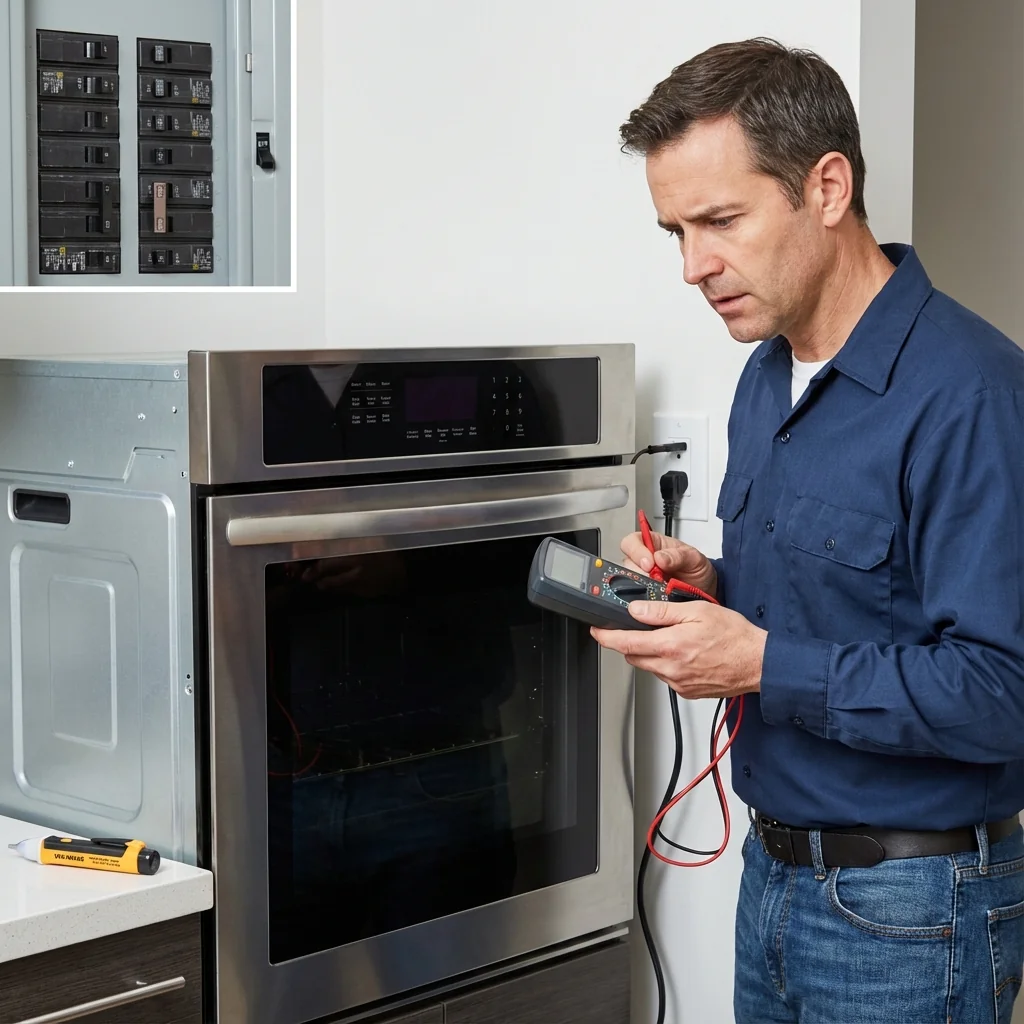
- Requires control board testing
- Professional multimeter check
- Relay click test
- Circuit testing
Repair:
- Control board replacement required
- Cannot repair stuck relay safely
- Must use OEM replacement board
- Includes programming for model
Cost: | Brand | Control Board Cost | |-------|-------------------| | Samsung | $300-$450 | | LG | $280-$420 | | Whirlpool/KitchenAid | $250-$400 | | GE | $240-$380 | | Frigidaire/Maytag | $230-$380 | | Bosch/Miele | $350-$600 |
Includes installation, programming, and testing
2. Faulty Temperature Sensor
The Problem: The temperature sensor (RTD probe) tells the control board the oven's current temperature. If it reads incorrectly low, the board keeps heating trying to reach target temp.
How Faulty Sensor Causes Overheating:
- Sensor reads 200°F when actually 400°F
- Control board thinks oven is too cold
- Keeps elements on trying to heat more
- Actual temperature climbs dangerously high
- No accurate feedback to stop heating
Sensor Failure Modes:
Reading Low:
- Most common cause of overheating
- "Drift" over time
- Sensor degrades
- Results in overheating
Reading High:
- Opposite problem
- Oven won't reach temperature
- Less dangerous but frustrating
Open Circuit:
- Sensor disconnected or broken
- Oven shows error code
- Won't heat at all
Short Circuit:
- Wires touching
- Sensor reads very high
- May prevent heating
Testing Temperature Sensor:
Resistance Test:
- Disconnect sensor (power OFF)
- Use multimeter on ohms setting
- Measure resistance
- Room temp (70°F): should be ~1100 ohms
- If reading significantly different, sensor failed
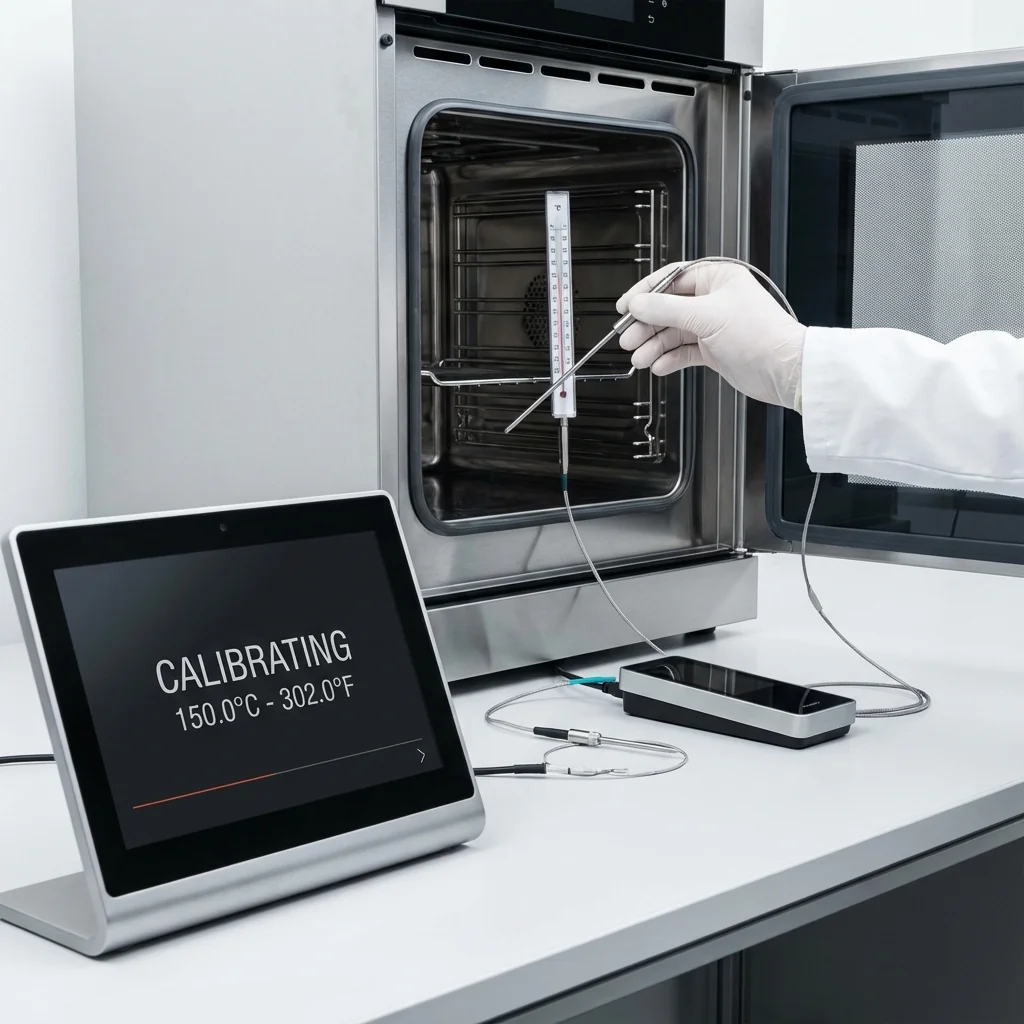
Accuracy Test:
- Place sensor and accurate thermometer in oven
- Heat to 200°F
- Wait 20 minutes
- Compare readings
- Should match within 25°F
Common Sensor Locations:
- Rear oven wall (most ovens)
- Top rear corner
- Behind panel inside oven
- Usually 6-8" long probe
- Metal sheath, wire connection
Sensor Replacement:
- Relatively simple repair
- Must use correct sensor for model
- Positioning critical
- Cannot touch oven metal
Cost: $130-$190 (parts + labor)
3. Shorted Heating Element
The Problem: A heating element with internal short circuit can draw excessive current and overheat uncontrollably.
How Shorts Happen:
- Element wear over time
- Moisture exposure
- Physical damage
- Manufacturing defect
- Self-clean cycle damage
Types of Element Shorts:
Partial Short:
- Element heats excessively
- May have hot spot
- Glows unevenly bright
- Contributes to overheating
Complete Short:
- Element extremely hot
- Draws maximum current
- Can trip breaker
- Fire hazard
- Immediate replacement needed
Visual Inspection:
- Turn oven to bake mode
- Observe element through window
- Should glow evenly orange-red
- Look for:
- Extremely bright spots
- Blistering on element
- Sagging or drooping
- Visible cracks
- Uneven glow pattern
Electrical Testing:
- Power OFF, element disconnected
- Multimeter resistance check
- Should show 15-50 ohms typically
- Very low resistance = short
- Infinite resistance = open (won't heat)
Replacement Required:
- Never attempt to repair element
- Must replace with exact OEM part
- Different wattages for different ovens
- Professional installation recommended
Costs:
- Bake element: $160-$240
- Broil element: $150-$230
- Convection element: $200-$300
- Installation included
4. Oven Door Seal Failure
Indirect Cause: While won't directly cause overheating, failed door seal can contribute to temperature regulation problems.
How It Affects Temperature:
- Heat escapes
- Oven compensates by heating more
- Control system confused
- Can lead to overcorrection
- Cycling becomes erratic
Inspecting Door Seal:
- Visual check for damage
- Look for:
- Tears or rips
- Hardening/brittleness
- Compression damage
- Gaps when door closed
- Missing sections
Paper Test:
- Place paper between door and frame
- Close door fully
- Try pulling paper out
- Should have consistent resistance
- Easy pull anywhere = seal failed
Replacement:
- Moderate DIY difficulty
- New gasket: $50-$80
- Professional installation: $120-$180
- Takes 30-45 minutes
5. Thermostat Cal ibration Drift
The Problem: Over years of use, the oven's thermostat can lose accurate calibration, running hotter or cooler than set temperature.
How Calibration Drifts:
- Normal component aging
- Repeated thermal cycling
- Power surges
- Control board degradation
- Years of self-clean cycles
Typical Drift:
- Usually 10-30°F off over time
- Can be + or -
- Gradual change
- May accelerate after 5-7 years
Testing Calibration:
- Accurate oven thermometer required
- Set oven to 350°F
- Preheat completely
- Wait 20-30 minutes after beep
- Check thermometer
- Note exact difference
- Test at multiple temperatures (250°F, 400°F)
Recalibration Options:
Manual Adjustment (Modern Ovens):
- Access calibration menu
- Method varies by brand:
- Samsung: Settings → Oven Temp Adjustment
- LG: Hold "+" and "-" buttons
- Whirlpool: See manual for sequence
- GE: Press and hold specific buttons
- Adjust in 5°F or 10°F increments
- Can usually adjust ±35°F to ±50°F
- Save settings
Professional Recalibration:
- Control board adjustment
- More precise
- Full system check included
- Cost: $100-$150
If Drift Exceeds Adjustment Range:
- Sensor replacement needed
- OR control board replacement
- Calibration alone won't fix
6. Ventilation Blockage
The Problem: Ovens need proper ventilation to expel heat. Blocked vents trap heat, causing temperature buildup and overheating.
How Vents Get Blocked:
- Grease buildup
- Food debris
- Pots/pans placed over vents
- Aluminum foil blocking airflow
- Damaged vent assembly
Vent Locations:
- Freestanding ranges: Top backguard or rear
- Wall ovens: Front near door or sides
- Slide-in ranges: Often rear low or front
- Check manual for your specific model
Signs of Blocked Vents:
- Excessive steam during cooking
- Condensation on control panel
- Cabinet above oven very hot
- Oven takes forever to cool
- Moisture buildup inside oven
Clearing Vents:
- Locate all vent openings
- Use flashlight to inspect
- Vacuum with crevice tool
- Clean with degreaser if greasy
- Ensure completely clear
- Remove any foil near vents
- Don't block with cookware
Prevention:
- Keep vents accessible
- Regular cleaning
- Don't line oven bottom with foil
- Proper range hood use
7. Gas Oven-Specific Issues
For Gas Ovens: Additional causes of overheating
Improper Bur ner Orifice:
- Wrong-sized orifice for gas type
- Natural gas vs. propane confusion
- Too much gas flow
- Excessive flame
Gas Pressure Too High:
- Should be 7" water column
- If higher, burns too hot
- Can overheat oven
- Professional adjustment required
Burner Air Shutter Wrong:
- Regulates air-to-gas mix
- Too much gas = yellow flames and heat
- Professional adjustment
Cost of Gas Adjustments: $100-$180
8. Multiple Component Failures
When Several Things Wrong:
- Stuck relay + faulty sensor = severe overheating
- Worn element + incorrect calibration = unpredictable temps
- Door seal + sensor drift = erratic behavior
Diagnosis Complexity:
- One problem can mask another
- Must test all systems
- Professional diagnosis recommended
- May need multiple repairs
Brand-Specific Overheating Issues
Samsung Ovens
Common Overheating Problems:
- C-21 error code (overheating)
- Control board relay failures common
- Temperature sensor drift in Flex Duo models
Typical Repairs:
- Control board: $300-$450 (most common fix)
- Temperature sensor: $140-$190
- Both replaced in severe cases
Known Issues:
- 2016-2019 models had higher failure rates
- Flex Duo top oven more prone
- Steam ovens additional complexity
LG Ovens
Common Overheating Problems:
- F2/F10 errors
- ProBake sensor issues
- Control board relay sticking
Typical Repairs:
- Control board: $280-$420
- Temperature sensor: $130-$180
- Typically one
or the other, not both
Smartwatch Integration:
- ThinQ app may show incorrect temps
- Not reliable for diagnosing overheating
- Use physical thermometer
Whirlpool/KitchenAid Ovens
Common Overheating Problems:
- F2 error code very common
- AccuBake sensor failures
- Control board relay issues frequent
Typical Repairs:
- Control board: $250-$400 (70% of cases)
- Temperature sensor: $130-$180 (20% of cases)
- Both: 10% of severe cases
Self-Clean Cycle:
- Often triggers overheating issues
- Can expose weak components
- F2 during/after cleaning common
GE Ovens
Common Overheating Problems:
- F2 error (thermal runaway)
- True European Convection ovens more complex
- Older models more prone
Typical Repairs:
- Control board: $240-$380
- Sensor: $120-$170
- Sometimes keypad causes F2 (touchpad short)
Profile/Monogram High-End:
- More expensive parts
- Complex diagnostics
- Professional service essential
DIY Troubleshooting Steps
Safe Investigation
Before Any Testing: -Turn off oven at breaker
- Let cool completely (2+ hours)
- Never test overheating oven while hot
- Safety first always
Step 1: Temperature Sensor Check:
- Locate sensor (rear wall usually)
- Check for visible damage
- Ensure not touching oven metal
- Check wire connections
- Look for corrosion
Step 2: Visual Element Inspection:
- Remove oven racks
- Look at bake element (bottom)
- Check broil element (top)
- Look for:
- Blisters or bubbles
- Cracks
- Corrosion
- Sagging/drooping
- Discoloration
Step 3: Door Seal Examination:
- Check entire gasket perimeter
- Look for damage
- Feel for compression
- Paper test for seal quality
Step 4: Vent Inspection:
- Locate vent openings
- Check for blockages
- Clean if needed
When to Stop DIY
Call Professional Immediately If:
- Overheating currently happening
- Error codes won't clear
- Multiple error codes
- Visible element damage
- Suspicious smells
- Any safety concern
- Unsure about diagnosis
Professional Tools Required:
- Multimeter for electrical testing
- Accurate oven thermometer
- Specialized diagnostic equipment
- Model-specific knowledge
Professional Oven Overheating Repair
Our Diagnostic Process
Comprehensive Testing:
- Safety inspection first
- Error code analysis
- Temperature sensor resistance test
- Element visual and electrical check
- Control board relay testing
- Thermostat calibration check
- Door seal inspection
- Vent blockage check
- Complete system test
Documentation:
- All readings recorded
- Photos of issues
- Detailed quote provided
- Warranty information
Repair Service
Same-Day Service Available:
- Emergency overheating calls prioritized
- Mobile workshop fully equipped
- OEM parts inventory
- All brands serviced
After Repair:
- Temperature verification testing
- Multiple temp setting tests
- Safety inspection
- Customer education
- Prevention recommendations
- 180-day parts & labor warranty
Service Areas
Expert overheating repair across Toronto:
- Downtown Toronto
- North York
- Scarborough
- Etobicoke
- Mississauga
- Brampton
- Markham
- Richmond Hill
- Vaughan
- All GTA areas
Repair Costs
Diagnostic: $90 regular brands, $110 high-end brands; +$40 after-hours (waived with repair approval)
Common Repairs: | Issue | Typical Cost | |-------|--------------| | Temperature sensor | $130-$190 | | Control board | $240-$500 | | Heating element | $160-$280 | | Door seal | $100-$180 | | Calibration service | $100-$150 | | Gas pressure adjustment | $100-$180 |
All prices include parts, labor, testing, and warranty
Preventing Oven Overheating
Regular Maintenance
Monthly:
- Check oven temperatures with thermometer
- Clean vents
- Inspect door seal
- Wipe up spills immediately
Quarterly:
- Deep clean oven interior
- Check element condition
- Test door seal effectiveness
- Verify proper operation
Annually:
- Professional calibration check
- Complete system diagnostic
- Replace worn parts proactively
- Control board health check
Best Practices
Proper Use:
- Don't use self-clean excessively
- Allow proper preheating
- Don't block vents
- Use correct cookware
- Follow manual guidelines
Warning Signs:
- Food cooking faster than normal
- Higher temps needed for recipes
- Unusual smells
- Error codes appearing
- Get checked before becomes severe
Power Protection:
- Surge protector recommended
- Dedicated circuit ideal
- Address frequent power issues
When to Replace vs. Repair
Repair Makes Sense:
- Oven under 8 years old
- Single component failure
- Repair under $400
- Otherwise good condition
- Brand reputation good
Consider Replacement:
- Oven over 12 years old
- Multiple failures
- Repair over $500
- Recurring overheating issues
- Other problems pending
- Energy inefficient model
New Oven Benefits:
- Modern safety features
- Better temperature control
- Energy efficiency
- Warranty coverage
- Peace of mind
An oven running hotter than its setpoint usually has a drifting temperature sensor or a stuck relay — both worth fixing before something scorches. Book an oven repair.
FAQs About Oven Overheating
Q: How hot is too hot for an oven? A: Anything 50°F+ over set temperature is overheating and needs attention. 75°F+ is dangerous.
Q: Can an overheating oven cause a fire? A: Yes, absolutely. Overheating is a fire hazard, especially with grease present or if runaway heating occurs.
Q: Why does my oven suddenly overheat? A: Most often a stuck relay on control board. Can also be sudden sensor failure. Needs immediate professional attention.
Q: Is it safe to use an overheating oven? A: NO. Turn off immediately and get repaired. Using creates fire risk and can damage oven further.
Q: How much does it cost to fix an overheating oven? A: Typically $130-$500 depending on cause. Control boards most expensive, sensors least expensive.
Q: Can I just lower the temperature setting to compensate? A: Dangerous workaround. Doesn't address underlying issue. Get properly repaired.
Q: Will my oven overheat damage my kitchen? A: Yes - can damage cabinets, countertops, walls. Can warp nearby surfaces. Fire risk to entire kitchen.
Is your oven overheating in Toronto? This is a safety emergency! Contact JK Appliances immediately at +1 647-560-8966 for same-day emergency repair. We fix all brands across the GTA with 180-Day Warranty (parts & labour)!