Dishwasher Not Draining? 7 Quick Fixes for Standing Water Issues
Is your dishwasher not draining properly, leaving standing water and dirty dishes? Drainage problems affect nearly 40% of dishwashers and are often caused by simple blockages that you can fix yourself.
At JK Appliances Toronto, we've cleared thousands of clogged dishwashers across the GTA. Here are our proven solutions to get your dishwasher draining properly again.
Quick Answer: Dishwasher not draining properly? Learn how to fix standing water, clogged filters, and drainage issues. Our Toronto experts share proven DIY solutions and when to call professionals.
Quick Diagnosis: Why Your Dishwasher Won't Drain
Common Drainage Signs:
- Standing water in bottom of dishwasher
- Dishes still dirty after wash cycle
- Unusual gurgling sounds during operation
- Water backing up into sink
- Food particles floating in water
- Unpleasant odors from dishwasher
Safety First: Turn off power and water supply before performing any repairs.
Solution 1: Clean the Dishwasher Filter (90% Success Rate)
The Problem: Clogged filters are the #1 reason dishwashers don't drain. Food particles, grease, and debris block water flow.
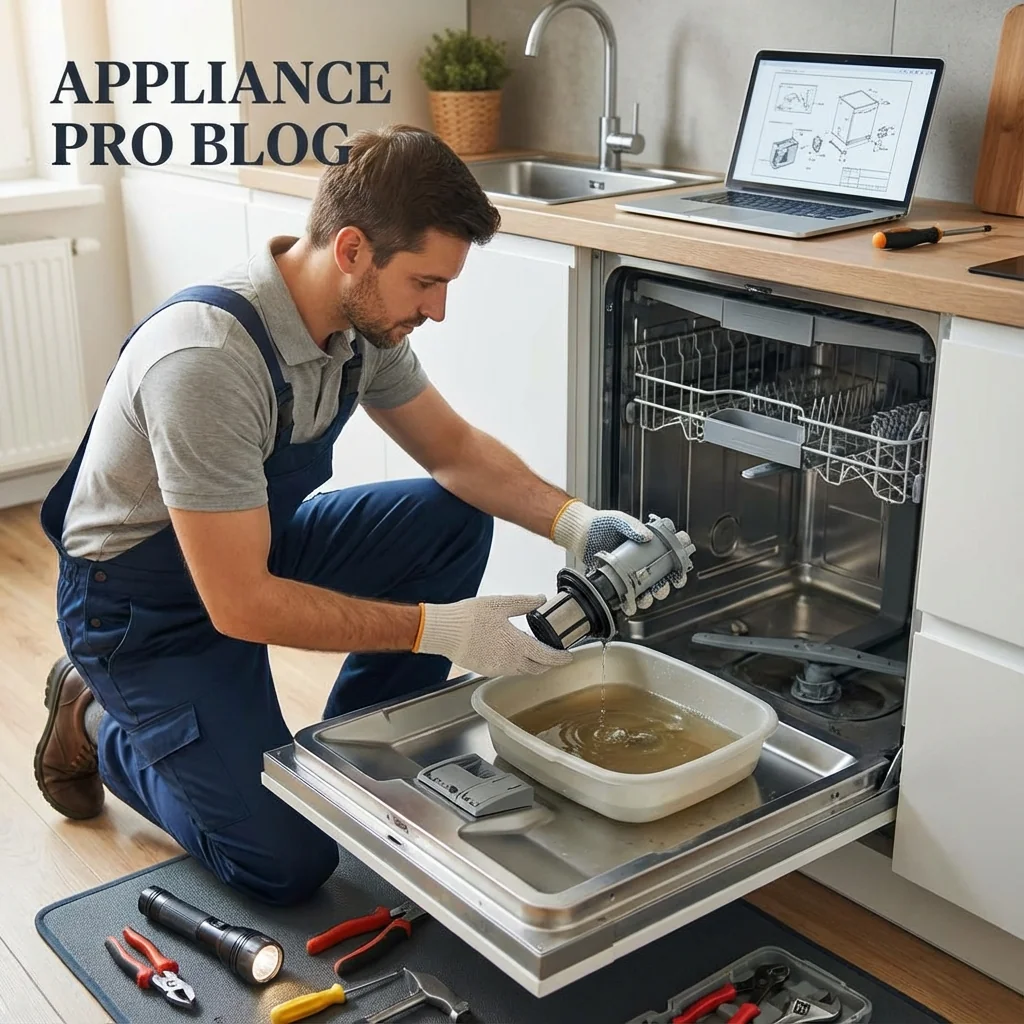
Filter Location & Cleaning:
- Remove bottom dish rack for access
- Locate cylindrical filter (usually center bottom)
- Unscrew filter assembly by turning counterclockwise
- Rinse under hot water with soft brush
- Remove stubborn debris with old toothbrush
- Reinstall securely - hand tight only
Filter Maintenance Schedule:
- Monthly cleaning for heavy use
- Bi-monthly for average use
- After washing greasy pots and pans
Professional Tip: Never run dishwasher without filter installed - can damage pump.
Solution 2: Clear the Garbage Disposal Connection
The Problem: If your dishwasher drains into the garbage disposal, clogs there prevent proper drainage.
Disposal Clearing Steps:
- Turn off disposal and dishwasher power
- Run cold water and operate disposal for 30 seconds
- Check disposal for clogs with flashlight
- Clear visible debris with tongs (never hands)
- Run disposal again to ensure clear operation
Connection Check:
- Verify drain hose properly connected to disposal
- Ensure disposal knockout plug was removed during installation
- Check for kinks in connecting hose
Solution 3: Inspect and Clean the Drain Hose
The Problem: Kinked, clogged, or improperly installed drain hoses prevent water from exiting the dishwasher.
Drain Hose Inspection:
- Locate drain hose (usually under sink)
- Check for kinks or sharp bends
- Verify proper height (high loop or air gap)
- Disconnect at sink connection point
- Flush hose with hot water and baking soda
Proper Hose Installation:
- Create high loop to prevent backflow
- Secure connections with hose clamps
- Maintain proper slope for drainage
- Check for air gap functionality
Solution 4: Address Sink Drain Blockages
The Problem: Since dishwashers often share drainage with kitchen sinks, sink clogs affect dishwasher drainage.
Sink Drain Clearing:
- Remove sink strainer or stopper
- Clear visible debris from drain opening
- Use plunger on sink drain (cover overflow)
- Try drain snake for deeper clogs
- Flush with hot water and dish soap
Chemical Drain Cleaners: Avoid harsh chemicals that can damage dishwasher components.
Solution 5: Check the Dishwasher Drain Pump
The Problem: Failed or clogged drain pumps cannot remove water from the dishwasher effectively.
Pump Access and Inspection:
- Remove lower dish rack and spray arms
- Take out bottom panel (if removable)
- Locate drain pump assembly
- Check for foreign objects (bones, labels, etc.)
- Test pump operation during drain cycle
Warning Signs of Pump Failure:
- Unusual grinding or humming noises
- Pump runs but no water movement
- Complete lack of drainage
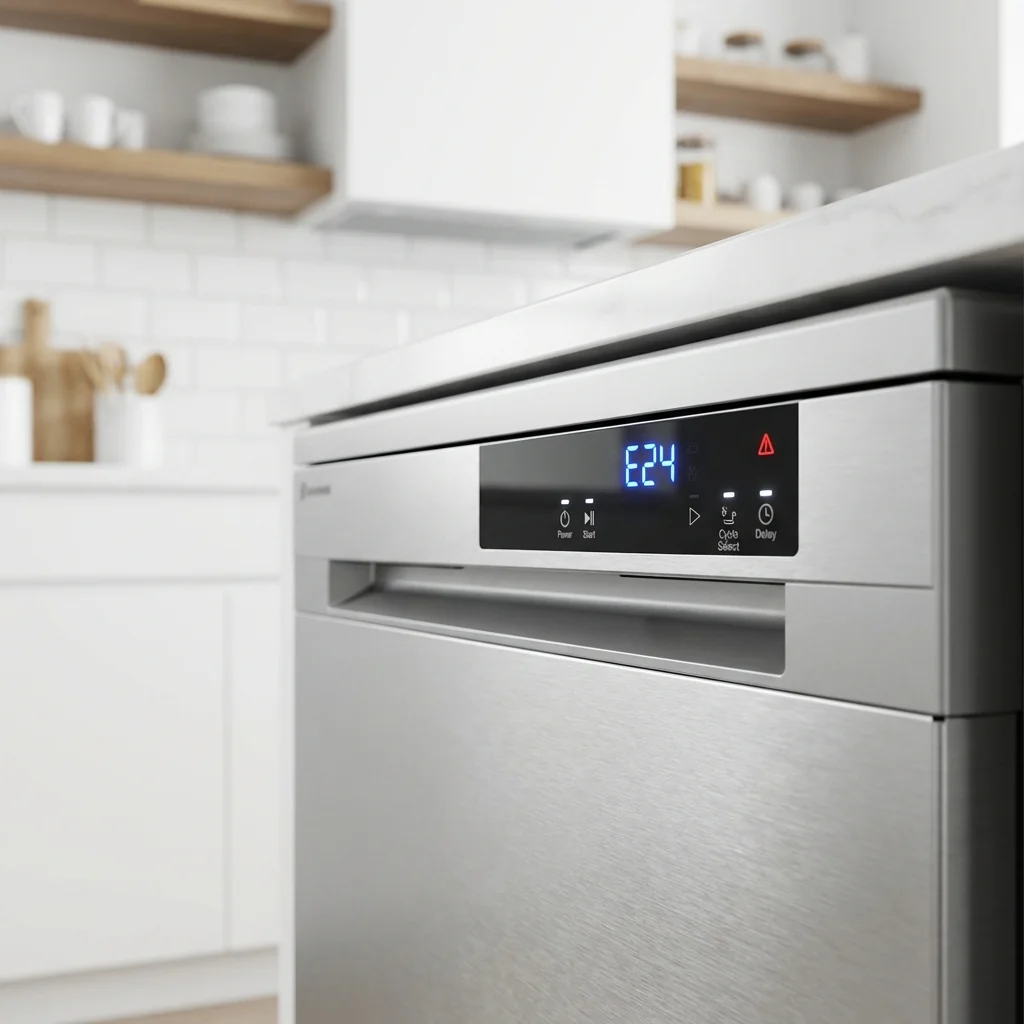
- Error codes related to draining
Professional Repair Needed: Pump replacement requires technical expertise ($200-$350).
Solution 6: Fix Spray Arm Blockages
The Problem: Clogged spray arms affect wash performance and can impact drainage efficiency.
Spray Arm Cleaning:
- Remove all spray arms (twist or lift off)
- Rinse under hot running water
- Use thin wire to clear individual holes
- Soak in vinegar solution for mineral deposits
- Reinstall properly ensuring secure fit
Spray Arm Maintenance:
- Clean monthly in hard water areas
- Remove food debris after each use
- Check for cracks or damage
- Ensure proper rotation during wash
Solution 7: Reset the Dishwasher Control System
The Problem: Electronic glitches can prevent proper drain cycle completion.
Reset Procedures:
- Turn off dishwasher completely
- Unplug for 5 minutes or flip circuit breaker
- Press and hold Start button while reconnecting power
- Select normal wash cycle and monitor operation
- Check for error codes on display
Control System Issues:
- Intermittent drainage problems
- Cycles stopping mid-wash
- Error codes appearing randomly
- Buttons not responding properly
When to Call JK Appliances Toronto
Professional Service Required:
- Drain pump replacement needed
- Electrical control issues
- Multiple drainage problems
- Plumbing modifications required
- Warranty repair coverage
Emergency Situations:
- Water backing up into kitchen
- Dishwasher flooding
- Electrical shorts or sparking
- Sewage odors from unit
Dishwasher Drainage Prevention Tips
Daily Habits
Best Practices:
- Scrape dishes before loading (don't rinse completely)
- Load dishes properly for good water flow
- Use appropriate detergent amounts
- Run hot water at sink before starting dishwasher
- Don't overload dishwasher racks
Weekly Maintenance
Preventive Tasks:
- Check and clean filter if needed
- Wipe down door seals and edges
- Inspect spray arms for blockages
- Run empty cycle with dishwasher cleaner
- Check for unusual noises or odors
Monthly Deep Cleaning
Thorough Maintenance:
- Remove and clean all filters
- Deep clean spray arms
- Check drain hose connections
- Clean door seals and gaskets
- Run vinegar cleaning cycle
Common Dishwasher Drainage Mistakes
Avoid These Errors:
- Running dishwasher without cleaning filter
- Using too much detergent (creates suds)
- Loading dishes that block spray arms
- Ignoring garbage disposal maintenance
- Using wrong type of detergent
Cost-Saving Tips:
- Regular filter cleaning prevents expensive repairs
- Proper loading reduces wear on components
- Quality detergent protects internal parts
- Professional annual maintenance extends life
Brand-Specific Drainage Issues
Bosch Dishwashers:
- Filter access under bottom rack
- Common drain pump problems after 7 years
- Sensitive to detergent type
KitchenAid/Whirlpool:
- Food chopper may clog with fibrous foods
- Check wash arm support for debris
- Control lock feature may affect drainage
GE/Frigidaire:
- Dual filtration systems need regular cleaning
- Drain hose prone to kinking
- Door seal inspection important
Samsung/LG:
- Digital error codes help diagnose issues
- Self-cleaning filters still need maintenance
- Smart diagnostic features available
DIY vs Professional Repair Costs
DIY Solutions (Free to $20):
- Filter cleaning: Free
- Spray arm cleaning: Free
- Basic drain clearing: $5-$15 supplies
- Hose inspection: Free
Professional Repair Costs:
- Diagnostic fee: $90 regular brands, $110 high-end brands; +$40 after-hours
- Drain pump replacement: $200-$350
- Control board repair: $250-$400
- Complete tune-up: $150-$200
Troubleshooting by Error Codes
Common Error Codes:
- E1/F1: Drainage problem - check filter and hose
- E4/F4: Water level sensor - may affect drainage
- E5/F5: Wash pump motor - can impact draining
- E9/F9: Water heating - may cause incomplete cycles
Error Code Actions:
- Note exact code displayed
- Consult owner's manual for meaning
- Try basic reset procedure
- Contact professional if code persists
Emergency Drainage Solutions
Immediate Actions for Standing Water:
- Turn off power to dishwasher
- Remove standing water with cups/sponges
- Check for obvious blockages in filter area
- Try manual drain by lifting drain hose
- Call professional if water won't drain
Temporary Fixes:
- Use wet/dry vacuum to remove water
- Clean accessible filters and spray arms
- Check sink drainage before running dishwasher
- Monitor for recurring problems
Frequently Asked Questions About Dishwasher Drainage Problems
Q: How often should I clean my dishwasher filter? A: Clean your dishwasher filter monthly for heavy use (daily washing, large families, frequent pots and pans), bi-monthly for average use (3-4 times weekly), and immediately after washing extremely dirty items like casserole dishes, baked-on foods, or greasy cookware. Signs you need immediate filter cleaning include standing water in the tub bottom, dishes remaining dirty after cycles, unusual gurgling sounds during operation, unpleasant odors from the dishwasher, or visible food particles floating in water. Hard water areas require more frequent filter maintenance—every 2-3 weeks—due to increased mineral and debris buildup. Never run your dishwasher without the filter properly installed as debris can damage the drain pump, causing expensive repairs.
Q: Can I use drain cleaner in my dishwasher? A: Absolutely not. Never use chemical drain cleaners (like Drano, Liquid-Plumber, or similar products) in dishwashers as they contain caustic chemicals that damage rubber seals, gaskets, plastic components, and internal hoses. These harsh chemicals can also corrode metal parts and void your warranty. Instead, use dishwasher-specific cleaners like Affresh, Finish Dishwasher Cleaner, or natural solutions like white vinegar and baking soda. For stubborn clogs, manually remove and clean the filter, clear the drain hose, and if needed, use a wet/dry vacuum to extract standing water. Professional drain clearing services are safer and more effective than chemical solutions for serious blockages.
Q: Why does my dishwasher drain into my sink? A: This is completely normal plumbing design—most dishwashers share drainage systems with kitchen sinks through the same drain line for efficiency and code compliance. The dishwasher drain hose connects either to the garbage disposal, to an air gap on the countertop, or directly to the sink drain tailpiece. This shared drainage means sink clogs directly affect dishwasher drainage performance. To prevent problems, maintain both systems: run your garbage disposal regularly to keep the drain clear, avoid pouring grease down sink drains, clean dishwasher filters frequently, and ensure proper drain hose installation with a high loop or air gap to prevent backflow from the sink into your dishwasher.
Q: Should there be water in the bottom of my dishwasher? A: A small amount of standing water—approximately 1/4 to 1/2 inch—in the very bottom of the dishwasher sump area is completely normal and actually necessary. This water keeps seals and gaskets moist, preventing them from drying, cracking, and failing. It also prevents odors from drain lines from entering your dishwasher. However, if water reaches above the heating element (usually 1-2 inches from the bottom), covers the filter area, or you can see it without bending down to look, this indicates a drainage problem requiring attention. Excessive standing water means clogged filters, blocked drain hoses, failed drain pumps, or sink drainage issues need addressing immediately.
Q: Why does my dishwasher drain slowly? A: Slow drainage (takes 5+ minutes to drain after cycle completion or drains incompletely) indicates partial blockages rather than complete failure. Common causes include partially clogged filters restricted by food debris, soap scum, or mineral buildup; kinked drain hoses under the sink reducing flow; garbage disposal clogs when dishwasher drains through it; weak or failing drain pump motors running at reduced power; or check valve problems preventing proper water flow direction. Additionally, improper drain hose installation—too much length creating loops and sags, drain hose inserted too far into standpipe causing siphon issues, or missing high loop/air gap—causes slow drainage requiring professional correction.
Q: Can a clogged garbage disposal prevent my dishwasher from draining? A: Yes, absolutely, since dishwashers typically drain through the garbage disposal. When the disposal is clogged with food waste, the dishwasher cannot expel water through the shared drain line. Additionally, if the dishwasher was installed after the disposal, installers must remove the knockout plug inside the disposal's dishwasher inlet—failure to remove this plug completely blocks drainage. To fix, run cold water and operate the disposal for 30-60 seconds before each dishwasher cycle, check inside the disposal with a flashlight for visible clogs, grind ice cubes and citrus peels monthly to clean blades and remove buildup, and verify the disposal knockout plug was properly removed during installation.
Q: How do I manually drain my dishwasher if it won't drain automatically? A: To manually drain a dishwasher with standing water, first turn off power to the dishwasher at the circuit breaker for safety. Second, use large towels and shallow pans to catch water. Third, use cups, measuring jugs, or a turkey baster to scoop out bulk standing water into a bucket. Fourth, use a wet/dry shop vacuum to extract remaining water from hard-to-reach areas (never use a regular household vacuum). Fifth, after removing water, clean the filter thoroughly and check for foreign objects blocking the drain pump. Sixth, disconnect and check the drain hose for clogs by blowing through it or flushing with water. If manual drainage reveals no obvious blockages but the dishwasher still won't drain automatically, the drain pump motor has likely failed requiring professional replacement.
Q: What does it mean if my dishwasher makes a humming sound but won't drain? A: A humming noise during the drain cycle indicates the drain pump motor is receiving electrical power and attempting to operate, but something prevents it from pumping water. The humming typically means the drain pump impeller is jammed by foreign objects (common culprits: bones, fruit pits, bottle caps, broken glass, toothpicks, twist ties), the pump motor bearings have seized from age or lack of use, or the impeller housing is clogged with hardened food debris and grease. Less commonly, the pump motor itself has failed electrically. Access the drain pump by removing the bottom spray arm and filter, then check the pump area with a flashlight for visible obstructions. Never force stuck components—professional pump disassembly and cleaning or replacement costs $150-300.
Q: Will my dishwasher still clean dishes if it's not draining completely? A: No, poor drainage severely compromises cleaning performance. Dirty water remaining from the wash cycle mixes with clean rinse water, redepositing food particles, grease, and detergent residue on your supposedly clean dishes. This creates a cycle where dishes get progressively dirtier with each wash. Additionally, standing water breeds bacteria and mold causing unpleasant odors that transfer to dishes, stagnant water damages internal components over time, and the dishwasher may refuse to start a new cycle if it detects water remaining from the previous cycle. Never run consecutive wash cycles with drainage problems—fix the drainage issue first, then thoroughly clean the dishwasher interior before washing dishes again.
Q: How much does professional dishwasher drain repair cost in Toronto? A: Dishwasher drain repair costs vary by problem complexity: Diagnostic fees run $90 regular brands, $110 high-end brands; +$40 after-hours but are typically waived when you proceed with repairs. Simple fixes—filter cleaning, drain hose straightening, garbage disposal clearing—cost $0-50 if DIY or $100-150 for service calls. Drain hose replacement costs $100-175 including parts and labor. Drain pump replacement, the most common professional repair, runs $200-350 including the new pump, labor, and testing. Check valve replacement costs $120-200. Control board issues affecting drainage run $250-400. At JK Appliances Toronto, most drainage problems resolve for $150-250 total. We provide transparent pricing after diagnosis so you understand costs before approving work, and our 180-Day Warranty (parts & labour) covers both parts and labor.
Q: Can I prevent future dishwasher drainage problems? A: Yes, preventive maintenance prevents 80% of drainage failures. Follow these practices: Scrape large food particles into trash before loading (don't pre-rinse completely as modern dishwashers need some soil for optimal detergent performance). Clean the filter after every 5-10 wash cycles or monthly at minimum. Run your garbage disposal before starting the dishwasher if they share drainage. Use appropriate amounts of quality dishwasher detergent—too much causes excessive suds that can clog drains. Load dishes properly so spray arms aren't blocked and water circulates freely. Run monthly cleaning cycles with dishwasher cleaner or white vinegar. Inspect and clean spray arms quarterly. Check drain hose connections under the sink every 6 months for kinks or clogs. Schedule annual professional maintenance including drain system inspection, pump testing, and comprehensive cleaning.
Professional Dishwasher Service Toronto
Same-Day Repair Available: When your dishwasher won't drain, JK Appliances provides expert diagnosis and repair throughout the Greater Toronto Area.
Service Advantages:
- All major dishwasher brands serviced
- Certified appliance technicians
- 180-Day Warranty (parts & labour)
- Transparent pricing structure
- Emergency weekend availability
Service Areas:
- Downtown Toronto
- North York
- Scarborough
- Etobicoke
- Mississauga
- Brampton
- Markham
- Richmond Hill
- Vaughan
- Ajax
- Oakville
- Burlington
- Milton
Emergency Appliance Repair Toronto
After-hours & emergency service available (+$40): When your appliances stop working, JK Appliances offers emergency repair service throughout Toronto and the Greater Toronto Area.
Contact Us:
- Phone: +1 6475608966
- Book Now: Book Now
- Email: services@jkappliances.ca
- Address: 18 Yonge St #3509, Toronto, ON M5E 1Z8
Dishwasher not draining in Toronto? Contact JK Appliances at +1 6475608966 for professional diagnosis and repair. We fix all major dishwasher brands with guaranteed results.