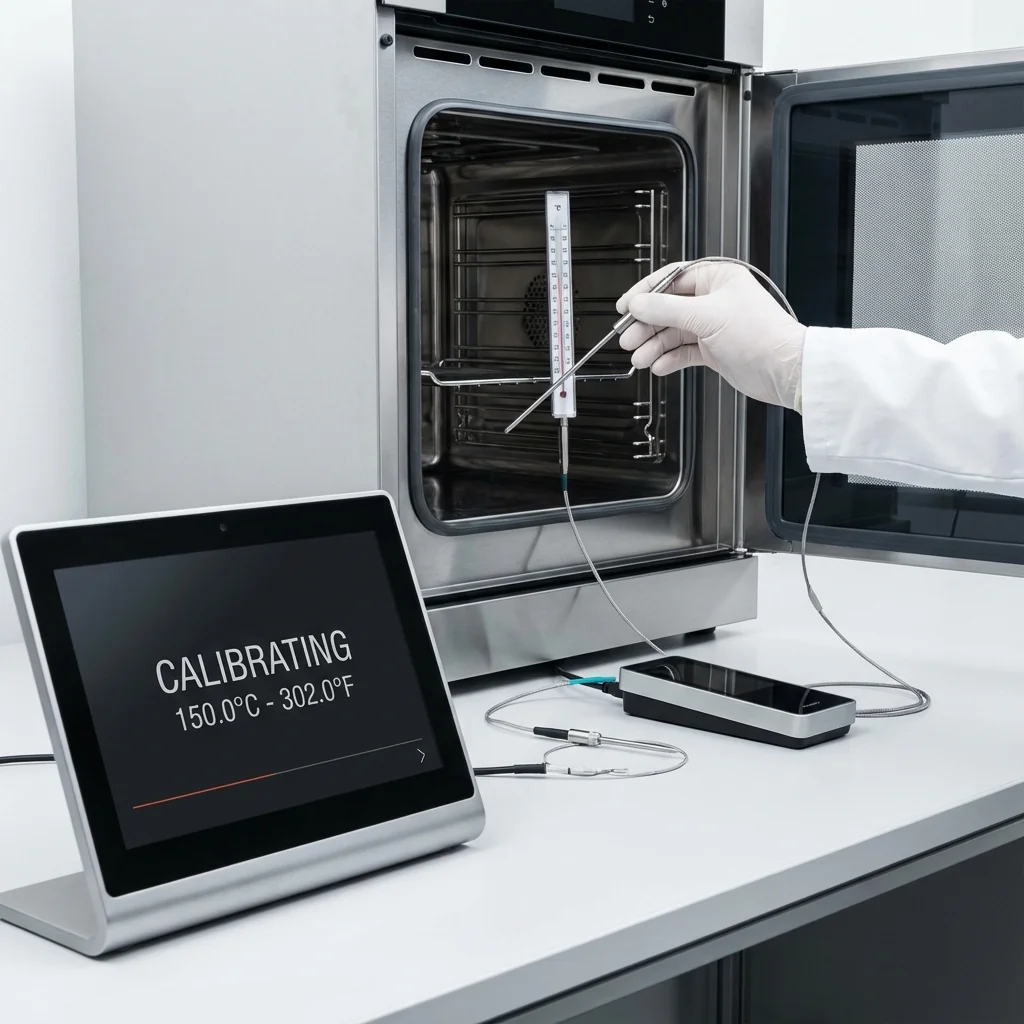
Oven Temperature Inconsistent? Calibration and Repair Guide for Toronto
Nothing ruins a perfectly planned meal like an oven that can't maintain consistent temperatures. Whether your cookies burn on one side, your roast takes twice as long to cook, or your oven runs too hot or cold, temperature inconsistencies are frustrating and fixable problems.
Quick Answer: Oven cooking unevenly or at wrong temperatures? Learn to calibrate and fix temperature issues. Expert oven repair in Toronto from JK Appliances.
Signs Your Oven Has Temperature Issues
OBVIOUS INDICATORS
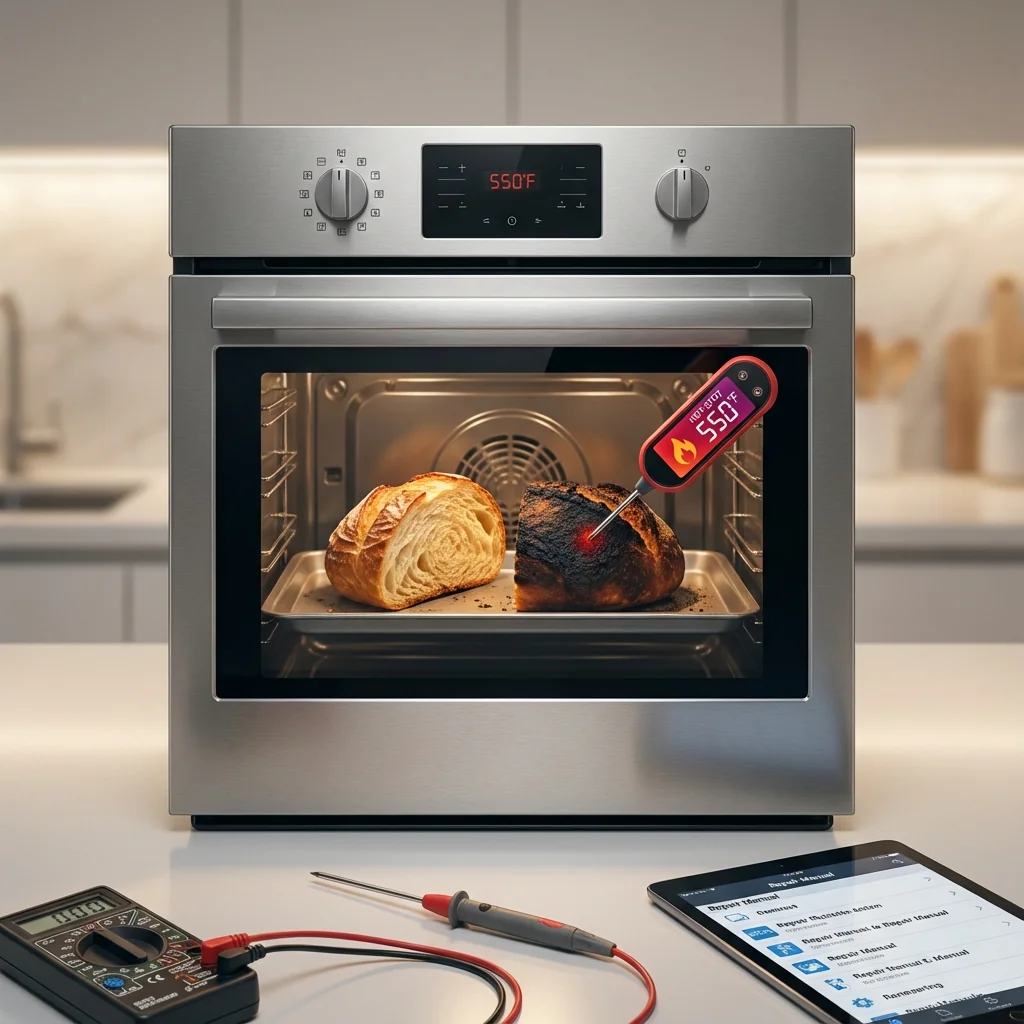
- Food burns on one side while remaining raw on the other
- Baking times consistently longer or shorter than recipes suggest
- Oven thermometer reads differently than set temperature
- Hot spots that always burn food in certain areas
- Uneven browning on baked goods
SUBTLE SIGNS
- Slightly longer cooking times becoming the norm
- Needing to rotate pans more frequently
- Inconsistent results with familiar recipes
- Food cooking faster near the door or back
Common Causes of Temperature Problems
1. POOR CALIBRATION
Most common issue - oven's internal thermostat is off
- Symptoms: Consistent temperature offset (always 25°F high/low)
- Cause: Factory settings, age, or component drift
- Fix: Calibration adjustment or thermostat replacement
2. FAULTY TEMPERATURE SENSOR
Controls when heating elements cycle on/off
- Location: Usually a probe inside oven cavity
- Symptoms: Wild temperature swings, constant heating
- Test: Resistance should be ~1100 ohms at room temperature
- Fix: Sensor replacement
3. DAMAGED HEATING ELEMENTS
Uneven heating from failing elements
- Electric ovens: Bake or broil elements with hot spots
- Gas ovens: Burner with blocked ports or uneven flames
- Symptoms: Hot spots, uneven cooking patterns
- Fix: Element or burner repair/replacement
4. DOOR SEAL PROBLEMS
Heat escapes through damaged seals
- Symptoms: Longer cooking times, temperature drops when door opens
- Test: Visual inspection for tears, gaps, or hardening
- Fix: Door seal replacement
5. CONVECTION FAN ISSUES
Poor air circulation in convection ovens
- Symptoms: Uneven cooking despite convection setting
- Causes: Failed fan motor, blocked fan, damaged fan blade
- Fix: Fan system repair
6. CONTROL BOARD MALFUNCTION
Electronic controls sending wrong signals
- Symptoms: Erratic temperatures, unresponsive controls
- Modern ovens: More susceptible to electronic failures
- Fix: Control board replacement
Testing Your Oven's Temperature Accuracy
BASIC THERMOMETER TEST
Equipment needed: Oven thermometer, timer
- Place thermometer in center of middle rack
- Preheat oven to 350°F
- Wait 20 minutes after preheat signal
- Read thermometer and compare to set temperature
- Acceptable range: ±25°F
- Needs attention: More than 25°F difference
COMPREHENSIVE TEMPERATURE MAPPING
For identifying hot spots:
- Place 6-9 oven thermometers throughout oven
- Preheat to 350°F and wait 20 minutes
- Record temperature at each location
- Normal variation: 10-15°F between spots
- Problem areas: More than 25°F difference
CYCLING TEST
To check temperature stability:
- Monitor oven thermometer for 30 minutes at set temperature
- Note temperature range during cycling
- Normal cycling: ±25°F around set point
- Problem: Wild swings or no cycling
DIY Calibration Steps
DIGITAL OVENS WITH CALIBRATION MODE
Most modern ovens allow calibration adjustment:
-
Access calibration mode (varies by brand):
- Press and hold specific button combinations
- Consult manual for your model's procedure
- Common: Hold "Bake" and "Broil" simultaneously
-
Adjust temperature offset:
- Enter the difference you measured
- If oven runs 25°F hot, enter -25
- If oven runs 25°F cold, enter +25
-
Save settings and test:
- Exit calibration mode
- Test with thermometer again
- Fine-tune if necessary
OLDER OVENS WITH ANALOG CONTROLS
Some have adjustable thermostats:
- Locate adjustment screw (usually behind temperature knob)
- Remove knob to access screw
- Turn screw slightly:
- Clockwise typically increases temperature
- Counterclockwise decreases temperature
- Test and repeat until accurate
Professional Repairs for Temperature Issues
TEMPERATURE SENSOR REPLACEMENT
When needed: Sensor reads incorrectly or is damaged
- Process: Remove old sensor, install new one
- Cost: $150-250 including labor
- Time: 30-60 minutes
HEATING ELEMENT REPLACEMENT
Electric ovens: Replace faulty bake or broil elements
- Signs: Visible damage, no glow, uneven heating
- Cost: $150-300 depending on element type
- Time: 45-90 minutes
CONTROL BOARD REPLACEMENT
Modern ovens: Electronic control failures
- Symptoms: Erratic behavior, error codes
- Cost: $400-600 including programming
- Time: 1-2 hours
DOOR SEAL REPLACEMENT
Heat loss issues: Damaged or worn door gaskets
- Process: Remove old seal, install new one
- Cost: $120-200
- Time: 30-45 minutes
Preventing Temperature Problems
REGULAR MAINTENANCE
- Clean oven monthly to prevent buildup affecting sensors
- Check door seals quarterly for damage
- Test temperature accuracy annually with thermometer
- Schedule professional maintenance every 2-3 years
PROPER USAGE
- Don't block vents with oversized cookware
- Use appropriate rack positions for even heating
- Avoid frequent door opening during cooking
- Allow proper preheating time before cooking
ENVIRONMENTAL FACTORS
- Keep oven level for proper operation
- Ensure adequate ventilation around unit
- Protect from power surges with surge protector
Toronto-Specific Considerations
Seasonal Changes: Toronto's temperature extremes can affect oven performance:
- Winter: Cold kitchens may require longer preheating
- Summer: Hot kitchens may cause ovens to run hotter
- Humidity: Can affect electronic controls
Older Homes: Many Toronto homes have:
- Voltage fluctuations affecting electric ovens
- Uneven floors causing oven to be unlevel
- Poor ventilation affecting gas oven performance
Condo Living: Limited space considerations:
- Built-in ovens may have restricted airflow
- Shared electrical systems can cause voltage issues
- Noise concerns when replacing fans or motors
Quick Fixes for Common Issues
FOR MINOR CALIBRATION ISSUES
- Use oven thermometer and adjust cooking times/temperatures accordingly
- Rotate pans halfway through cooking
- Use convection setting for more even heating
FOR HOT SPOTS
- Rotate cookware during cooking
- Use light-colored pans to reduce hot spot effects
- Place baking stone on bottom rack to even heat distribution
FOR DOOR SEAL PROBLEMS
- Clean seals regularly with warm soapy water
- Check door alignment and adjust if necessary
- Replace seals if cracked or hardened
When to Call JK Appliances
Contact professionals for:
- Temperature differences greater than 50°F
- Multiple component failures
- Gas oven temperature issues (safety concerns)
- Electronic control problems
- Calibration attempts that don't work
Our certified technicians can diagnose complex temperature issues and provide lasting solutions.
Cost-Benefit Analysis
REPAIR vs. REPLACE
Repair if:
- Oven is less than 10 years old
- Single component failure
- Repair cost under $400
Replace if:
- Multiple major components failing
- Repair cost exceeds 50% of replacement
- Oven over 15 years old with recurring issues
FAQ
Q: How often should I check my oven's temperature accuracy? A: Test annually or whenever you notice cooking inconsistencies. Professional calibration every 2-3 years is recommended.
Q: Can I calibrate my oven myself? A: Many modern ovens have user-accessible calibration modes. Older ovens may require professional adjustment.
Q: Why does my oven temperature fluctuate during cooking? A: Normal cycling maintains temperature. Fluctuations of ±25°F are normal; wider swings indicate problems.
Q: Is it normal for different areas of my oven to have different temperatures? A: Some variation (10-15°F) is normal. Differences greater than 25°F indicate hot spots or circulation problems.
Q: How long should I wait after preheating before checking temperature? A: Wait at least 20 minutes after the preheat signal to ensure temperature stabilization.
Tired of unpredictable cooking results? JK Appliances provides expert oven temperature diagnosis and calibration throughout Toronto. Get your oven cooking perfectly again—call (647) 560-8966 or book online.