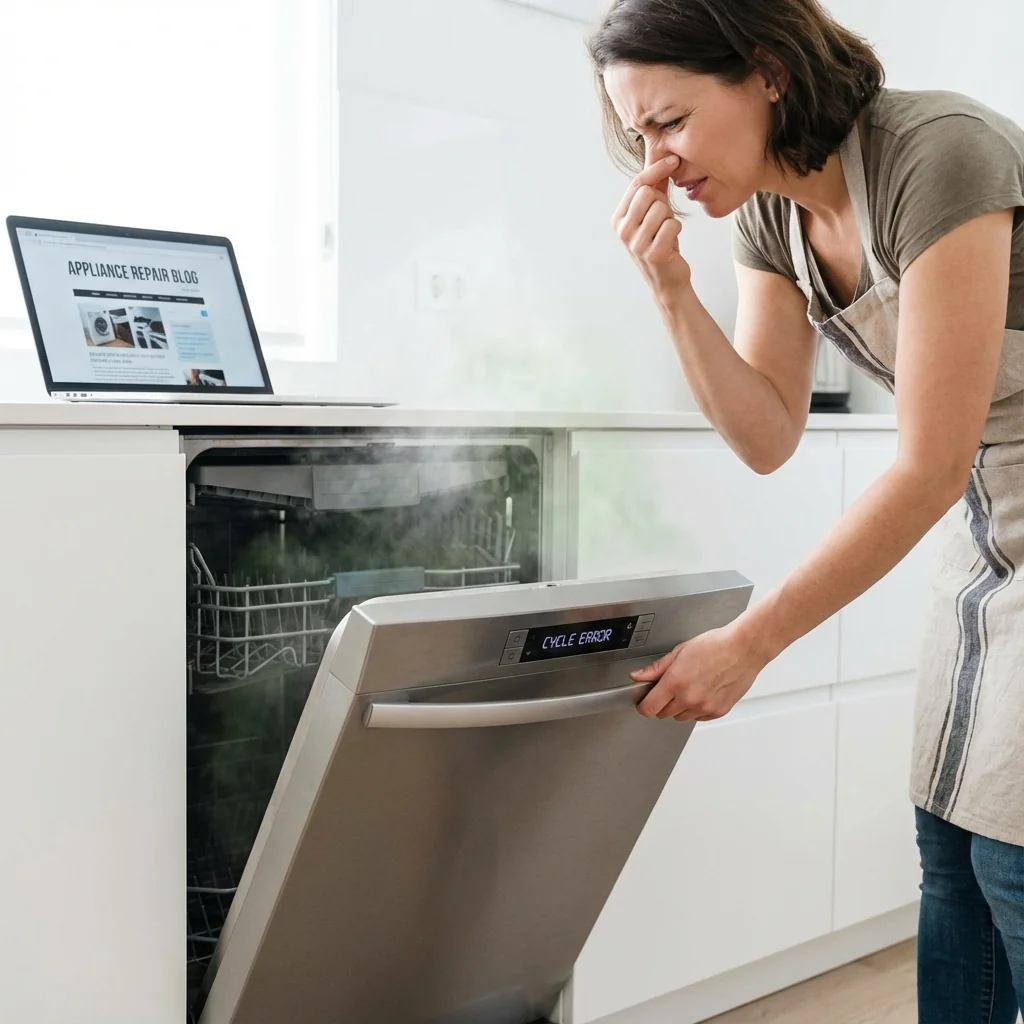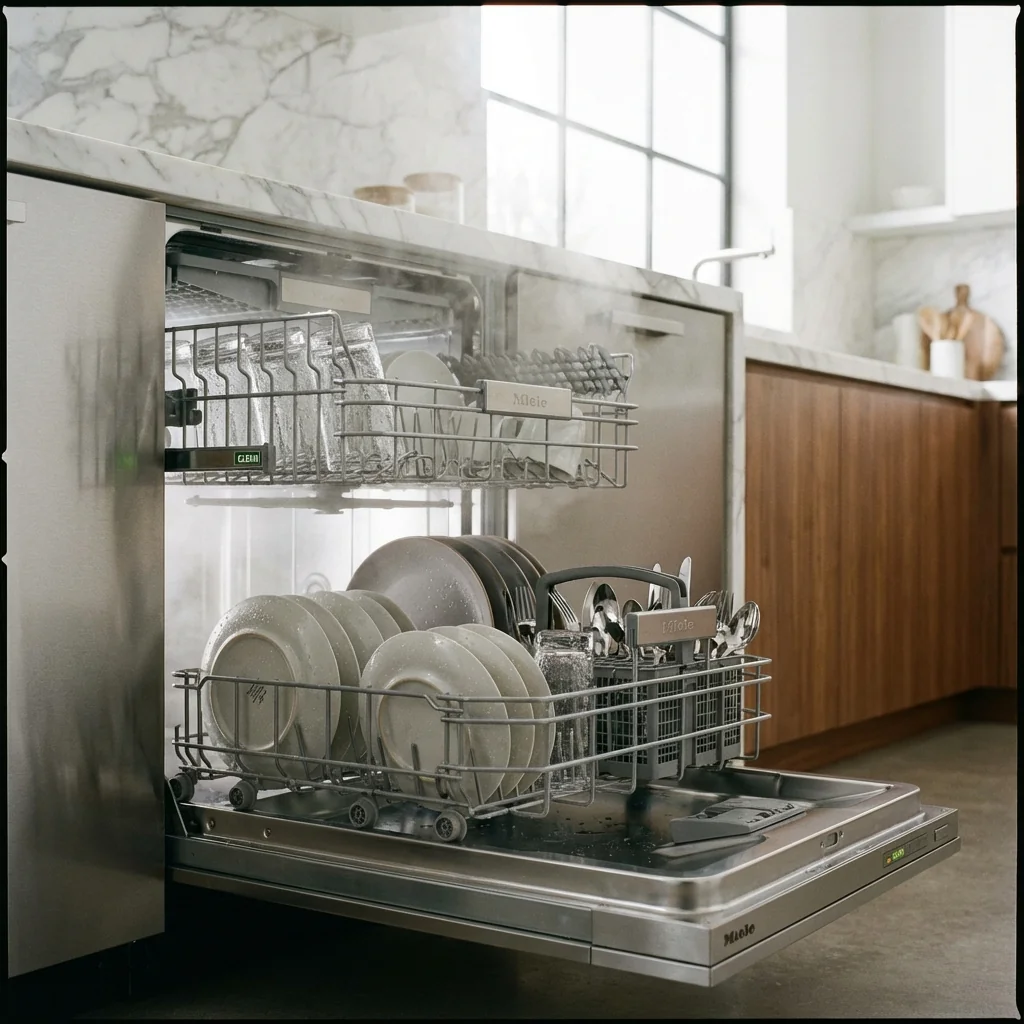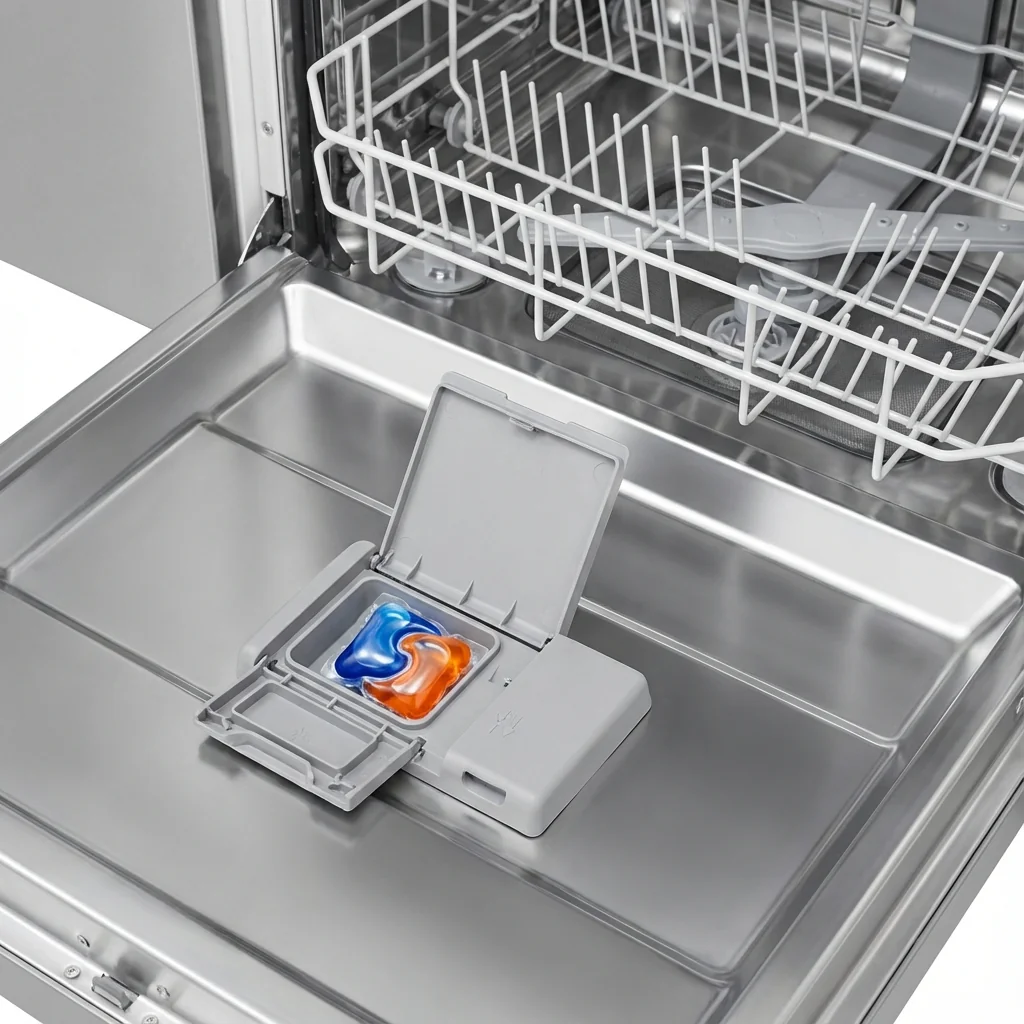
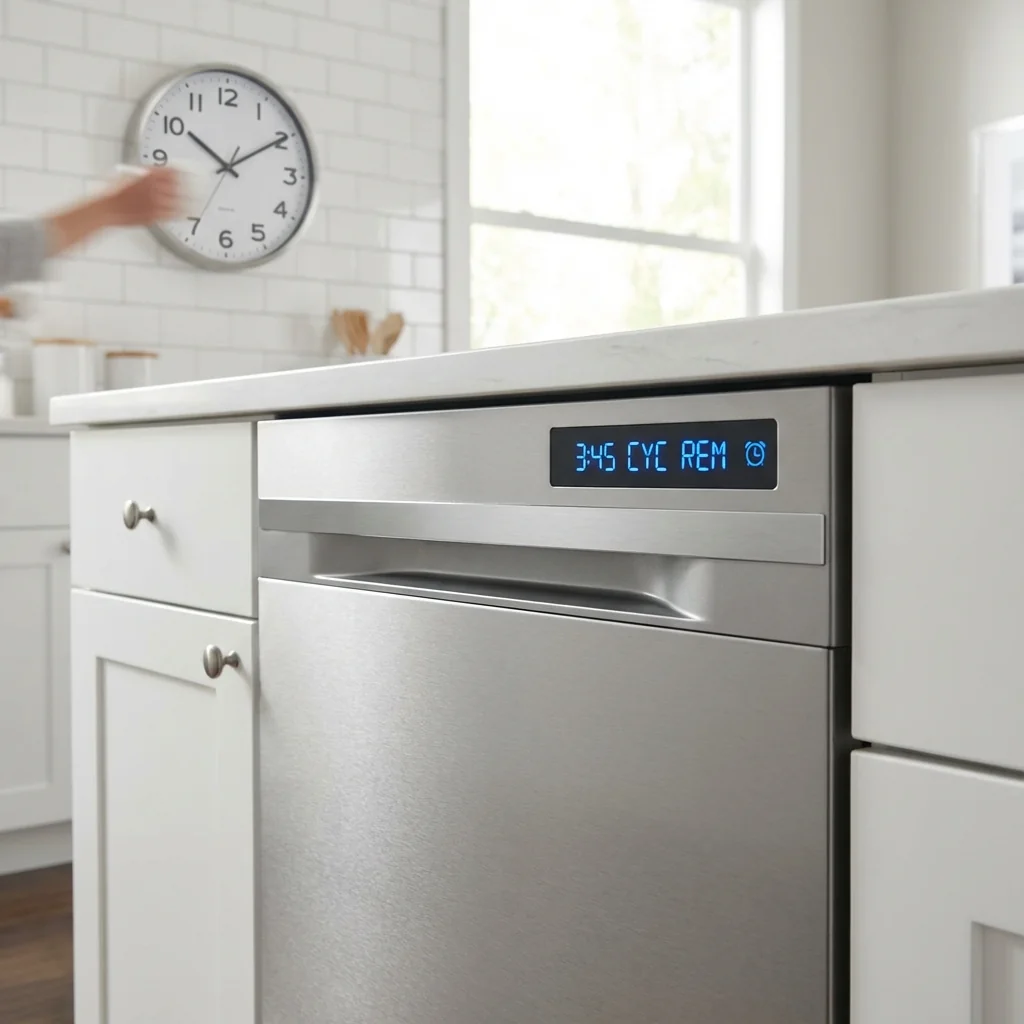
Dishwasher Cycle Takes Too Long? Causes & Quick Fixes
If your dishwasher cycle takes 3 hours or longer, you're not alone. Many homeowners are surprised by how long modern dishwashers run, but there's a difference between normal long cycles and abnormally extended run times.
At JK Appliances Toronto, we help customers understand why their dishwashers run long and how to optimize cycle times. This guide explains what's normal, what's not, and how to fix prolonged cycle issues.
Quick Answer: Is your dishwasher taking 3+ hours to complete a cycle? Learn why dishwasher cycles run long and how to reduce cycle time for all major brands.
What's a Normal Dishwasher Cycle Time?
Modern Energy-Efficient Dishwashers:
- Normal cycle: 2-3 hours
- Heavy/Pots cycle: 2.5-4 hours
- Eco/Energy Saver: 3-4 hours
- Quick/Express: 30-60 minutes
- Light cycle: 1-1.5 hours
Why Modern Cycles Are Longer:
Energy Efficiency Requirements:
- New ENERGY STAR standards require less water and electricity
- Less water = longer soak times to achieve same cleaning
- Lower water temperatures = extended wash phases
- This is by design, not a malfunction
Sensor-Driven Cycles:
- Soil sensors detect how dirty water is
- Cycle extends until water runs clean
- Heavy soil = longer cycle automatically
When Long Cycles Indicate Problems
Your cycle is abnormally long if:
- Normal cycle exceeds 3.5 hours consistently
- Time drastically increased from before
- Cycle never seems to end
- Display shows extended remaining time
- Same cycle takes longer than usual
Problem 1: Low Water Temperature
The Issue: Water must reach a minimum temperature before the cycle can proceed. Cold water inlet significantly extends cycle time.
Why Temperature Matters:
- Most cycles require 120-140°F (49-60°C) water
- Dishwasher heats water if inlet is cold
- Heating water takes time—extending cycle
- Very cold water may double heating time
Solutions:
1. Run hot water before starting:
- Turn on kitchen faucet
- Run until water is very hot
- Then start dishwasher
- Reduces heating time significantly
2. Check water heater setting:
- Tank should be 120-125°F (49-52°C)
- Below 110°F causes problems
- Check if water heater needs service
3. Verify hot water line connection:
- Dishwasher connects to hot water only
- Ensure correct hookup under sink
- Cold water connection = major delays
4. Check heating element:
- If dishwasher can't boost temperature
- Cycle may run indefinitely
- Professional testing required
Problem 2: Low Water Pressure or Fill Issues
The Issue: Insufficient water pressure means the dishwasher takes longer to fill, extending each fill phase of the cycle.
Signs of Fill Problems:
- Extended pause at beginning of cycle
- Dish not as clean as expected
- Cycle time varies significantly
Solutions:
1. Check water supply valve:
- Located under sink
- Ensure fully open (counterclockwise)
- Test flow by filling a pot
2. Inspect inlet hose:
- Check for kinks
- Ensure no crushing or bends
- Look for frozen sections (winter)
3. Clean inlet valve screen:
- Turn off water supply
- Disconnect hose from dishwasher
- Clean screen/filter inside valve
4. Check household water pressure:
- Minimum 20 PSI required
- Low home pressure affects appliances
- May need pressure booster
Problem 3: Clogged Spray Arms
The Issue: Blocked spray arm holes reduce cleaning efficiency. Turbidity sensors detect dirty dishes and extend the cycle.
How It Extends Cycles:
- Less effective spray = dishes still dirty
- Sensors detect soil in water
- Cycle adds more wash time
- Repeats until dishes seem clean
Solutions:
1. Remove and inspect spray arms:
- Pull or twist off spray arms
- Hold up to light
- Check each hole for blockages
2. Clear holes:
- Use toothpick or thin wire
- Push through each hole
- Rinse thoroughly
3. Soak in vinegar:
- Submerge in white vinegar
- Leave 2 hours or overnight
- Dissolves mineral deposits
4. Check arm rotation:
- Arms should spin freely
- Nothing blocking movement
- Verify secure reattachment
Problem 4: Dirty Filter
The Issue: A clogged filter forces the recirculation pump to work harder and reduces cleaning efficiency.
How It Affects Cycle Time:
- Dirty water recirculates
- Soil sensors detect debris
- Cycle extends to compensate
- May never achieve "clean" water
Solutions:
1. Clean filter regularly:
- Remove every 2-4 weeks
- Rinse under hot water
- Use soft brush for scrubbing
2. Deep clean monthly:
- Soak in vinegar solution
- Scrub all mesh areas
- Clear drain area beneath filter
3. Check for damage:
- Cracked or torn filter ineffective
- Replace if damaged
Problem 5: Turbidity Sensor Issues
The Issue: The turbidity (soil) sensor measures water cloudiness. If malfunctioning, it may signal "dirty water" indefinitely.
Signs of Sensor Problems:
- Cycles always run maximum time
- Regardless of how dirty dishes are
- Time doesn't vary based on load
Solutions:
1. Clean the sensor:
- Located in sump area
- Often optical (uses light)
- Clean with soft cloth
2. Run cleaning cycle:
- Empty dishwasher
- Use affresh or vinegar
- Cleans sensor surface
3. Sensor replacement:
- If cleaning doesn't help
- Professional diagnosis needed
- Part and labor: $150-$250
Problem 6: Faulty Water Inlet Valve
The Issue: A partially clogged or failing water inlet valve restricts water flow, extending fill times.
Symptoms:
- Long pause during fill
- Low water level in tub
- Extended cycle times
- May have fill error codes
Solutions:
1. Clean inlet screen:
- Often gets mineral buildup
- Remove and clean screen
- Use vinegar for deposits
2. Test valve operation:
- Listen for valve opening
- Should hear water rushing in
- Restricted sound indicates problem
3. Replace valve:
- If cleaning doesn't help
- Common $75-$150 repair
- Professional: $150-$225
Problem 7: Drain Issues Extending Cycle
The Issue: If water doesn't drain efficiently, the dishwasher may cycle extra drain attempts or extend drain phases.
How Draining Adds Time:
- Multiple drain attempts
- Extended pump operation
- Safety timeouts between phases
Solutions:
1. Clean drain filter:
- Remove all debris
- Check drain opening in sump
2. Inspect drain hose:
- No kinks or bends
- Proper high loop installed
- Clear garbage disposal knockout
3. Check drain pump:
- Listen for pump running
- Grinding = debris in pump
- No sound = pump failure
Brand-Specific Cycle Time Issues
Bosch Dishwashers
Normal Cycle Times:
- Auto cycle: 2-3 hours (sensor-based)
- Heavy: up to 3.5 hours
- Speed60: 60 minutes (reduced drying)
Common Extended Cycle Causes:
- Auto cycle detecting soil
- Low inlet water temperature
- Half Load setting adds time
Solutions:
- Use Express cycle for speed
- Run hot water first
- Skip Half Load option
Samsung Dishwashers
Normal Cycle Times:
- Normal: 2-2.5 hours
- Heavy: up to 3 hours
- Quick: 60 minutes
Common Extended Cycle Causes:
- WaterWall needing extra passes
- Sanitize option adds time
- Auto Release drying extends total
Solutions:
- Check Auto Cycle settings
- Avoid Sanitize for quick loads
- Express Wash for speed
LG Dishwashers
Normal Cycle Times:
- Auto: 2-3 hours
- Heavy: up to 3.5 hours
- LoDecibel: Longer for quiet operation
Common Extended Cycle Causes:
- TrueSteam adding wash time
- Half Load sensors recalibrating
- Dual Zone wash extensions
Solutions:
- Skip TrueSteam for speed
- Turbo mode for faster cycles
- Check control settings
Whirlpool/KitchenAid Dishwashers
Normal Cycle Times:
- Normal: 2-2.5 hours
- Heavy: up to 3 hours
- 1-Hour Wash: 60 minutes
Common Extended Cycle Causes:
- Soil sensors extending cycle
- ProDry adding time
- Sani Rinse option
Solutions:
- Use 1-Hour Wash when appropriate
- Skip ProDry for speed
- Check sensor cleanliness
Miele Dishwashers
Normal Cycle Times:
- Automatic: 2-3 hours
- Intensive: up to 3.5 hours
- Quick: 58 minutes
Common Extended Cycle Causes:
- EcoStart/delay features
- AutoDos dosing adjustments
- Extra Dry extending time
Solutions:
- Check EcoStart settings
- Skip Extra Dry for quick runs
- Express wash when needed
GE Dishwashers
Normal Cycle Times:
- Normal: 2-2.5 hours
- Heavy: up to 3 hours
- Quick: 30-60 minutes
Common Extended Cycle Causes:
- Steam/Sanitize options
- Dry Boost extending cycle
- Soil sensor detections
Solutions:
- Skip Steam/Sanitize for speed
- Use Express Wash
- Keep sensors clean
Quick Tips to Reduce Cycle Time
Before Running:
- Run hot water at sink first
- Scrape (don't rinse) dishes
- Clean filter if needed
- Select appropriate cycle
Loading Tips:
- Don't overcrowd
- Face spray direction
- Allow water circulation
- Pre-soak tough stains
Cycle Selection:
- Light loads = Light cycle
- Quick cycle for lightly soiled
- Skip heated dry for speed
- Avoid Sanitize unless needed
Regular Maintenance:
- Clean filter monthly
- Run machine cleaner monthly
- Clean spray arms quarterly
- Inspect door gasket
When to Call a Professional
Seek Help If:
- Cycles exceed 4+ hours regularly
- Cycle never completes
- Error codes appear
- Performance declined significantly
- Hot water or heating problems
Professional Repairs:
- Water inlet valve: $150-$225
- Heating element: $150-$250
- Turbidity sensor: $150-$250
- Control board: $200-$450
If cycles still run long after you've checked incoming water temperature and cleaned the filters, the thermistor or heating circuit is the usual culprit. Book a dishwasher repair to have the heating cycle measured properly.
Frequently Asked Questions About Long Dishwasher Cycles
Q: Why does my dishwasher take 3 hours or more to complete a cycle? A: Modern dishwashers take 2-4 hours by design due to ENERGY STAR efficiency requirements mandating less water and energy consumption. To achieve the same cleaning with 30-50% less water, dishwashers use extended soak times, lower water temperatures compensated by longer heating periods, multiple wash phases, and sensor-driven cycles that extend until water runs clean. This is normal, not a malfunction. Eco cycles intentionally take longest (3-4 hours) for maximum efficiency. However, if your Normal cycle suddenly exceeds 3.5 hours when it previously ran shorter, or exceeds 4 hours consistently, this indicates problems like low water inlet temperature, clogged filters/spray arms, faulty sensors, or water pressure issues requiring troubleshooting.
Q: Is it normal for a dishwasher cycle to take 4 hours? A: Yes, 4 hours is normal for specific cycles and conditions: Eco/Energy Saver cycles designed for minimum resource use intentionally run 3-4 hours, Heavy/Pots & Pans cycles with sanitize option reach 3.5-4 hours, sensor-based Auto cycles detecting heavily soiled dishes extend to 4 hours, and Bosch/Miele European models using condensation drying average longer than American brands. However, Light or Quick cycles should never approach 4 hours—Light cycles should complete in 1-1.5 hours and Quick/Express in 30-60 minutes. If every single cycle regardless of selection takes 4+ hours, this indicates malfunction like failed turbidity sensors reading water as perpetually dirty, heating element issues preventing proper temperature, or control board problems requiring professional diagnosis.
Q: How can I make my dishwasher cycle shorter? A: Reduce cycle time through these strategies: Select Quick/Express cycles for lightly soiled dishes (30-60 minutes vs. 2-3 hours), run hot water at kitchen sink before starting dishwasher ensuring hot inlet water reduces heating time by 15-30 minutes, clean filters monthly so sensors don't extend cycles compensating for poor cleaning, use appropriate cycles—don't select Heavy for normally dirty dishes, skip optional features like Sanitize, Extra Dry, or Steam that add 20-45 minutes, and maintain spray arms and sensors preventing extended sensor-driven cycles. Additionally, scrape but don't pre-rinse dishes—modern dishwashers need some soil for optimal detergent performance, but large debris causes extended cycles. Brand-specific quick cycles: Bosch Speed60, Samsung Express/Quick, LG Turbo, Whirlpool 1-Hour Wash, Miele QuickIntenseWash.
Q: Why did my dishwasher cycles suddenly get longer? A: Sudden cycle time increases indicate specific component failures or issues developing: Heating element degrading means dishwasher takes longer heating water to required temperatures (test by running cycle and opening door mid-cycle—should feel hot steam), clogged filters forcing sensors to extend cycles until water clarity improves, mineral buildup on spray arms reducing cleaning efficiency extending sensor-driven cycles, turbidity sensor malfunction causing perpetual "dirty water" readings, water inlet valve partially clogged restricting fill flow extending each fill phase (listen for weak water flow sounds), or home water pressure dropped affecting fill times. Check your water heater settings—if recently lowered below 120°F, dishwasher compensates with extended heating. Seasonal factors matter too—Toronto winter brings colder inlet water requiring more heating time than summer.
Q: Can a clogged filter make dishwasher cycles longer? A: Absolutely yes. Clogged filters extend cycles through multiple mechanisms: Dirty water recirculates instead of cleaning dishes, causing turbidity sensors to detect ongoing soil and extend wash phases until achieving "clean" reading. Restricted water flow from filter blockage reduces spray pressure, decreasing cleaning effectiveness and triggering extended cycles to compensate. The recirculation pump works harder pushing water through clogged filter, potentially overheating and triggering thermal safety delays. Heavily clogged filters can even trigger error codes and cycle interruptions, restarting and adding total time. Clean your filter every 2-4 weeks minimum—remove the cylindrical filter assembly from the dishwasher floor, rinse under hot water, scrub with soft brush, soak in vinegar for mineral deposits if needed. This simple 5-minute maintenance prevents 30-60 minute cycle extensions and improves cleaning quality.
Q: Does running hot water before starting the dishwasher help reduce cycle time? A: Yes, dramatically. Running hot water at your kitchen sink for 30-60 seconds before starting the dishwasher can reduce total cycle time by 15-30 minutes. Here's why: Dishwashers require water temperatures of 120-140°F for proper cleaning and detergent activation. If cold water enters (40-50°F in Toronto winter), the heating element must raise temperature 70-100 degrees—taking 15-30 minutes per fill phase. By pre-running hot water, you flush cold water from pipes ensuring 120°F+ water immediately enters the dishwasher, eliminating this heating delay. This is especially impactful if your dishwasher is far from the water heater (long pipe runs cool water between uses). Pro tip: Run hot water until it's genuinely hot to touch, not just warm, for maximum benefit.
Q: Why does my Bosch dishwasher take so long compared to my old dishwasher? A: Bosch dishwashers (and most European brands like Miele) inherently run longer than traditional American dishwashers by design philosophy: Bosch uses 30-50% less water than American brands (2-4 gallons vs. 4-6 gallons per cycle), compensating with extended soak and wash times to achieve equivalent cleaning. Their sensor-driven Auto cycles adapt timing based on soil level, running 2-3.5 hours depending on load. Condensation drying (no heated air) takes longer than forced heated air drying. This is intentional engineering for efficiency and noise reduction—Bosch prioritizes quiet operation (40-44 dBA) over speed. Your "old dishwasher" likely used more water and energy but finished faster. Use Speed60 cycle (60 minutes) when you need faster results, though drying performance is reduced. Accept that 2.5-3 hour Normal cycles are standard Bosch operation, not defects.
Q: Can low water pressure cause long dishwasher cycles? A: Yes, insufficient water pressure extends cycle time significantly. Dishwashers require minimum 20 PSI water pressure (optimal 20-120 PSI) for proper fill rates. Low pressure means each fill phase (dishwashers typically fill 4-6 times per cycle) takes substantially longer—instead of 60-90 seconds, filling extends to 3-5 minutes. Multiply this across multiple fills and cycles extend by 15-30 minutes total. Additionally, low pressure reduces spray arm force, degrading cleaning effectiveness and causing sensors to extend wash phases. Check household water pressure at kitchen sink—fill a gallon jug and time it (should fill in under 10 seconds for adequate pressure). If slow, check if main shutoff valve under sink is fully open, inspect for kinked inlet hose, clean inlet valve screen for mineral buildup, or consult plumber if whole-house pressure is low requiring booster pump.
Q: What is a turbidity sensor and how does it affect cycle time? A: The turbidity sensor (also called optical sensor or soil sensor) is a critical component monitoring water clarity during wash cycles, directly controlling cycle length in Auto/Sensor modes. Located in the sump area, it uses optical measurement (light transmission through water) to detect suspended particles indicating soil level. Clean water = cycle can advance; cloudy water = cycle extends with additional wash phases until sensor reads clear. This adaptive technology prevents wasting water on clean dishes or under-washing dirty loads. However, sensor problems cause issues: dirty/filmy sensor surfaces from hard water deposits falsely read "dirty" extending every cycle unnecessarily, failed sensors stuck reading "dirty" cause infinite cycle extensions, and malfunctioning sensors may ignore actual soil causing premature cycle endings. Clean sensor quarterly using dishwasher cleaner or vinegar cycle; if cleaning doesn't resolve, professional sensor replacement costs $150-250.
Q: How much does it cost to fix a dishwasher with excessively long cycles in Toronto? A: Repair costs depend on root cause diagnosis: Heating element replacement (most common cause of extended cycles) costs $150-250 including part and labor. Water inlet valve replacement runs $150-225. Turbidity/soil sensor replacement is $150-250. Thermostat replacement costs $120-200. Control board replacement (rare, complex issues) is $200-450 . However, many cycle-time issues resolve with maintenance at no cost: filter cleaning (DIY free), spray arm cleaning (DIY free), water heater temperature adjustment (DIY or plumber), or inlet valve screen cleaning (DIY or $75 service call). At JK Appliances Toronto, diagnostic fees ($90 regular brands, $110 high-end brands; +$40 after-hours) are waived when proceeding with repair. We provide transparent pricing after diagnosis including parts, labor, and warranty. Most cycle time repairs total $150-275, much less than new dishwasher replacement ($600-1500).
Q: Should I be concerned if my dishwasher cycle never seems to end? A: Yes, cycles that truly never complete indicate serious malfunctions requiring immediate attention: Heating element completely failed means water never reaches required temperature so cycle waits indefinitely for heating that won't occur—dishwasher may show extended time remaining or run 6-8+ hours without finishing. Turbidity sensor stuck reading "dirty" creates infinite loop where cycle never detects "clean" threshold to advance. Water fill issues preventing proper water level cause cycle to pause indefinitely waiting for adequate water. Control board malfunction may lose cycle tracking, failing to advance through programmed phases. Door switch intermittently failing causes cycle to pause and restart repeatedly. Distinguish between very long cycles (3-4 hours that DO complete) versus truly never-ending—if cycle hits 5-6 hours without completion or time remaining never decreases, stop using dishwasher and call for professional service to prevent component damage from extended operation.
Q: Can I use Quick Wash cycle all the time to avoid long cycles? A: You can use Quick/Express cycles (30-60 minutes) for lightly soiled dishes, but limitations apply: Quick cycles use higher water temperatures and reduced water volume, effective only for dishes without dried/baked-on food—not suitable for pots, pans, or heavily soiled items. Drying performance is significantly reduced—plastics remain wet, glasses may have water spots. Some quick cycles skip sanitize temperatures, not ideal for cutting boards or baby items needing high-temp sanitation. Detergent may not fully dissolve in short cycles, reducing cleaning power, and frequent quick cycle use increases wear on heating elements from rapid heating demands. Best practice: Use quick cycles for wine glasses, coffee cups, and lightly used dinner plates washed soon after use. Reserve Normal/Heavy cycles for legitimately dirty loads requiring the 2-3 hour program for thorough cleaning and drying. Attempting to quick-wash everything often results in poor performance requiring re-washing, ultimately wasting more time.
Professional Dishwasher Service Toronto
Same-Day Service Available: At JK Appliances, we diagnose cycle time issues and restore optimal performance.
Service Areas:
- Downtown Toronto
- North York
- Scarborough
- Etobicoke
- Mississauga
- Brampton
- Markham
- Richmond Hill
- Vaughan
- Ajax
- Oakville
- Burlington
Dishwasher cycle taking too long in Toronto? Contact JK Appliances at +1 647-560-8966 for professional diagnosis and optimization. We service all major dishwasher brands across the Greater Toronto Area!